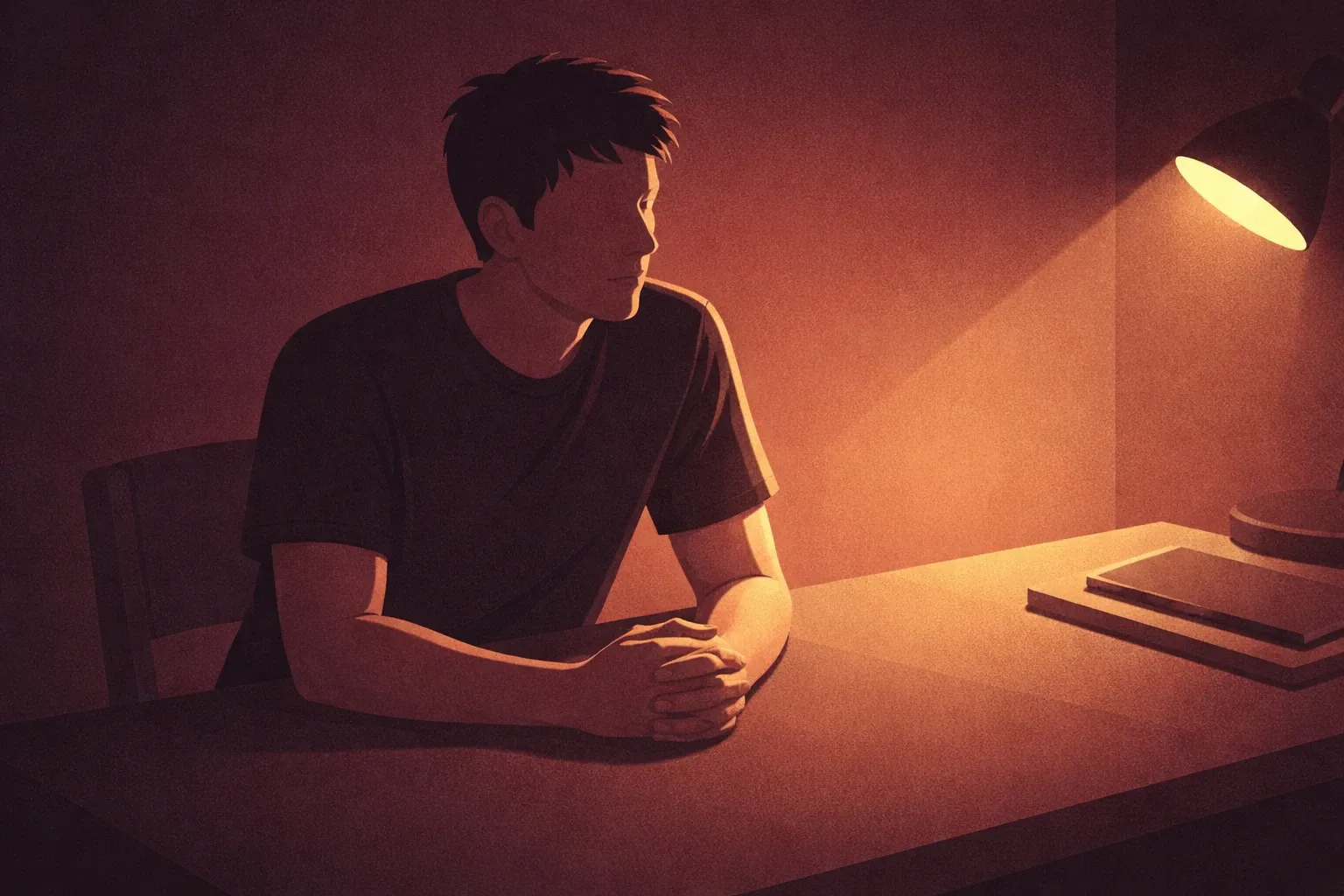
Does Porn Affect Testosterone? What the Research Shows
The testosterone-porn link is more complicated than most NoFap content admits — here's an honest breakdown.


Obex
Obex Team
The claim gets thrown around constantly in NoFap communities: watching porn lowers your testosterone. Quit porn, T levels skyrocket.
It’s a compelling story. But the actual evidence is messier than that, and it’s worth understanding what the research does and doesn’t say.
What the NoFap Claim Is
The argument usually goes like this: porn triggers massive dopamine releases, which over time dysregulates the reward system, which affects the hormonal feedback loops that regulate testosterone production. Quit porn, dopamine normalizes, testosterone rises.
There’s a kernel of neuroscience here. But the direct causal chain — porn watching → lower testosterone — is not well established in the research.
What the Research Actually Shows
The studies on porn and testosterone are small, mixed, and often poorly designed.
Brief arousal may temporarily spike T. Some studies have found that sexual arousal — including from viewing sexual content — produces a short-term testosterone surge. This is the opposite of what the “porn lowers T” claim suggests, at least acutely.
Chronic compulsive use may correlate with lower T. A few studies suggest that men with compulsive pornography use or sex addiction tendencies show different hormonal profiles, including potentially lower testosterone. But correlation isn’t causation, and these studies don’t isolate porn as the variable — they’re looking at a cluster of behaviors.
NoFap-related T spikes are also mixed. The famous “testosterone spike on day 7 of no ejaculation” claim comes from a small 2003 study that was later retracted. It showed a spike around day 7, then return to baseline. It hasn’t been robustly replicated, and it measured ejaculation abstinence — not specifically porn abstinence.
The direct porn → lower testosterone link is not well supported by current evidence. If there’s a real effect, it’s likely indirect.
The research on porn and testosterone is small and mixed. The stronger claim is that the lifestyle around heavy porn use — poor sleep, low activity, social isolation — suppresses testosterone. The lifestyle is the mechanism, not the viewing itself.
The Lifestyle Mechanism (Which Is More Supported)
This is where the story gets more credible, and more useful.
Heavy pornography use is associated with a cluster of behaviors that do suppress testosterone:
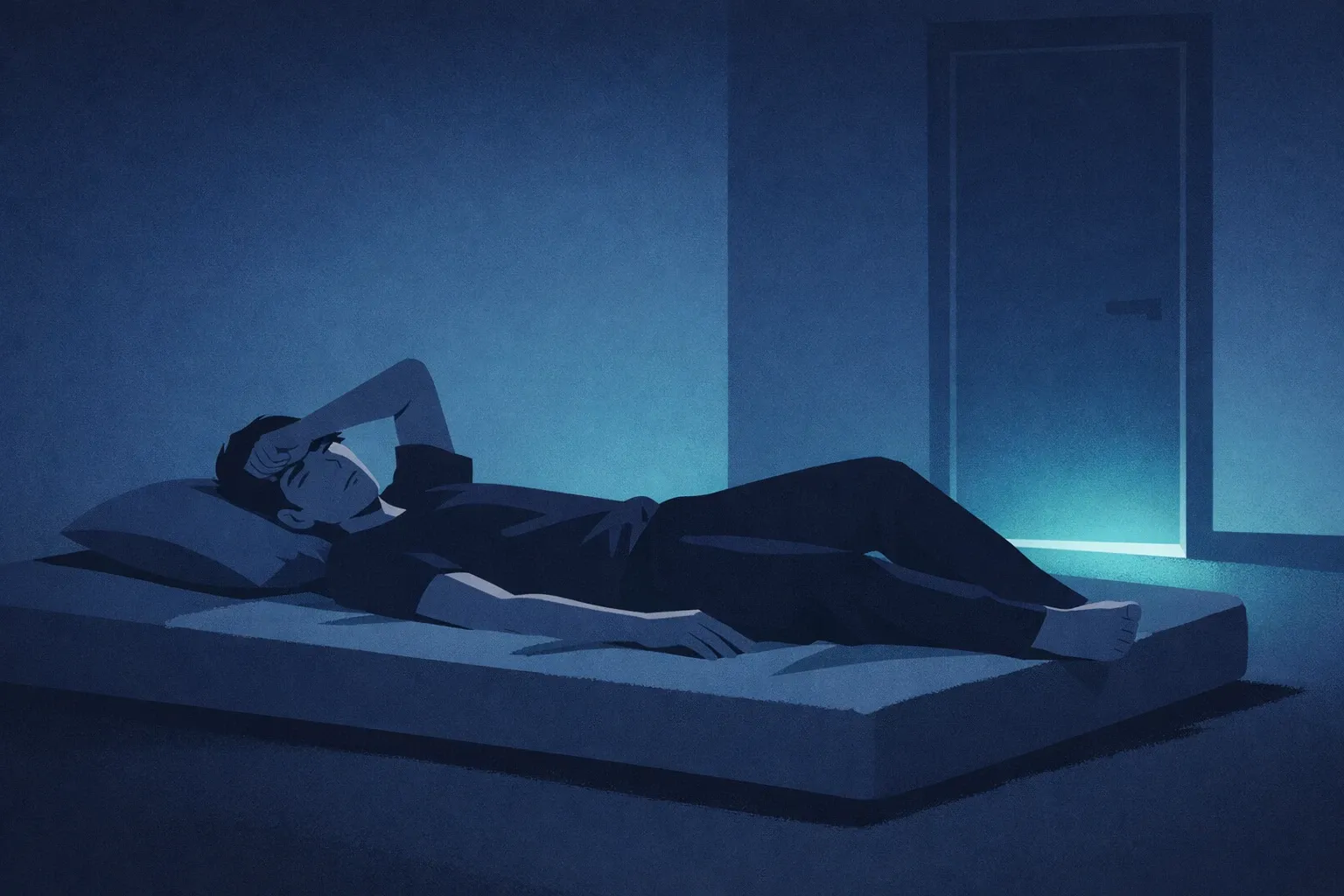
- Poor sleep. Testosterone is produced primarily during deep sleep. Staying up late watching porn disrupts sleep quality and duration — and sleep deprivation reliably lowers T.
- Sedentary behavior. Porn use tends to be passive and sedentary. Physical inactivity is one of the most consistent predictors of lower testosterone.
- Social isolation. Heavy users often spend less time in social and competitive environments, which are known to activate testosterone responses.
- Increased cortisol. Shame, anxiety, and the stress response associated with compulsive use can elevate cortisol — which directly suppresses testosterone.
- Poor diet and weight gain. All correlate with heavy screen time and sedentary patterns, and both suppress T.
So quitting porn may raise testosterone — but the mechanism is probably “you’re sleeping better, exercising more, and less stressed” rather than “dopamine receptors are now operating differently.”
That’s still a real effect. The path there is just more indirect than the meme version claims.
What Actually Raises Testosterone
If your goal is optimizing testosterone, the evidence here is clearer:
- Resistance training. Consistently and robustly associated with higher T. Compound movements (squats, deadlifts) particularly.
- Sleep. 7–9 hours. Non-negotiable for hormonal health.
- Sunlight and vitamin D. D3 deficiency is associated with lower testosterone. Get outside.
- Stress reduction. Chronic cortisol suppresses T. Managing anxiety — whatever the source — helps.
- Healthy body composition. Excess body fat, especially visceral fat, converts testosterone to estrogen via aromatization.
- Zinc and magnesium. Both play roles in testosterone production; deficiencies are common and associated with lower T.
If you quit porn and start sleeping better, exercising, and reducing shame-related stress, you may well see a testosterone increase. Just attribute it correctly.
Does Semen Retention Raise Testosterone?
This is the related claim that often accompanies the porn-testosterone conversation. The semen retention benefits post covers this in detail, but the short version: the evidence here is similarly limited and mixed. There may be a brief hormonal fluctuation around day 7 of abstinence. Beyond that, the claims exceed the research.
Why the Exaggerated Claims Exist
The testosterone narrative is compelling because it gives a concrete, measurable, masculine reason to quit porn. And for a lot of guys, that’s more motivating than “it might affect your relationships” or “it could be rewiring your brain subtly.”
The problem is that exaggerated claims eventually get fact-checked, and when the evidence doesn’t hold up, it becomes an excuse to dismiss the whole enterprise.
The more accurate version — “quitting porn and building healthier habits will probably improve your hormonal health through multiple indirect mechanisms” — is less punchy, but it’s more true. And it points toward the actual levers to pull.
Quit porn, start exercising, protect your sleep, reduce cortisol. You’ll almost certainly feel better and your hormonal profile will likely improve. The porn is part of the picture — but lifestyle is the bigger variable.
Porn, Testosterone, and What to Actually Change
Does porn lower testosterone? Probably not directly and dramatically, based on current evidence.
Does heavy porn use tend to accompany a lifestyle that suppresses testosterone? Yes — and that’s a meaningful distinction, because it tells you what to actually change.
Look at the before and after accounts from people who’ve quit. The changes they describe — better energy, more drive, improved physique — are real. They’re just more likely the result of a lifestyle that changes across the board, not a single hormonal mechanism.
If you want a structured way to build that lifestyle change — tracking your streak, managing urges, staying accountable — Obex is built for exactly that.