NoFap Insomnia: Why It Happens, How Long It Lasts, and What Actually Helps
NoFap insomnia usually shows up early. Here's why quitting porn can mess with your sleep, how long it tends to last, and what actually helps at night.

Obex
Obex Team
If you started NoFap and suddenly can’t sleep, you’re not imagining it.
NoFap insomnia is common enough that it shows up again and again in early recovery. The rough version is simple: your brain lost a familiar night-time loop, and now it has to learn how to settle without it.
That does not feel graceful from the inside.
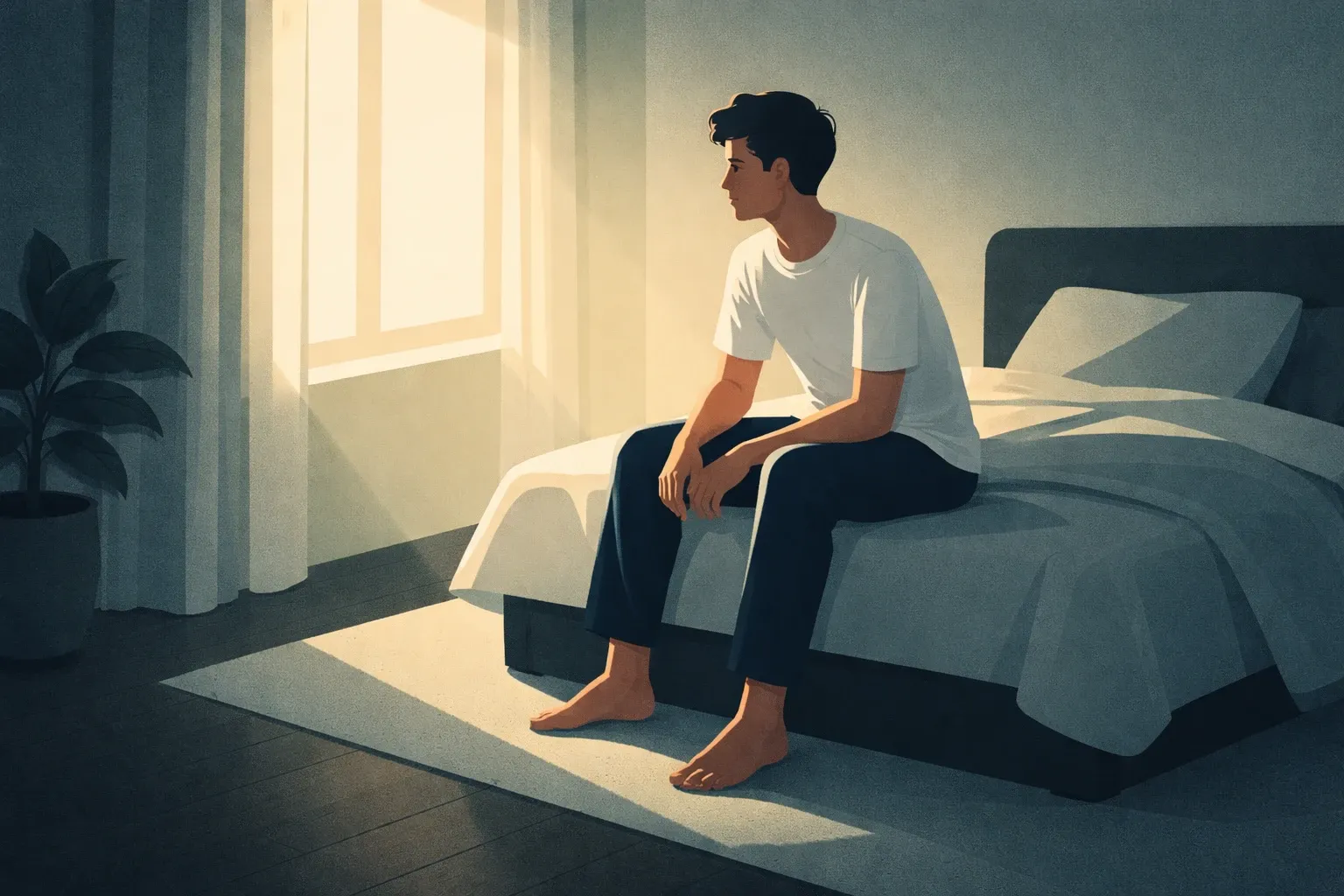
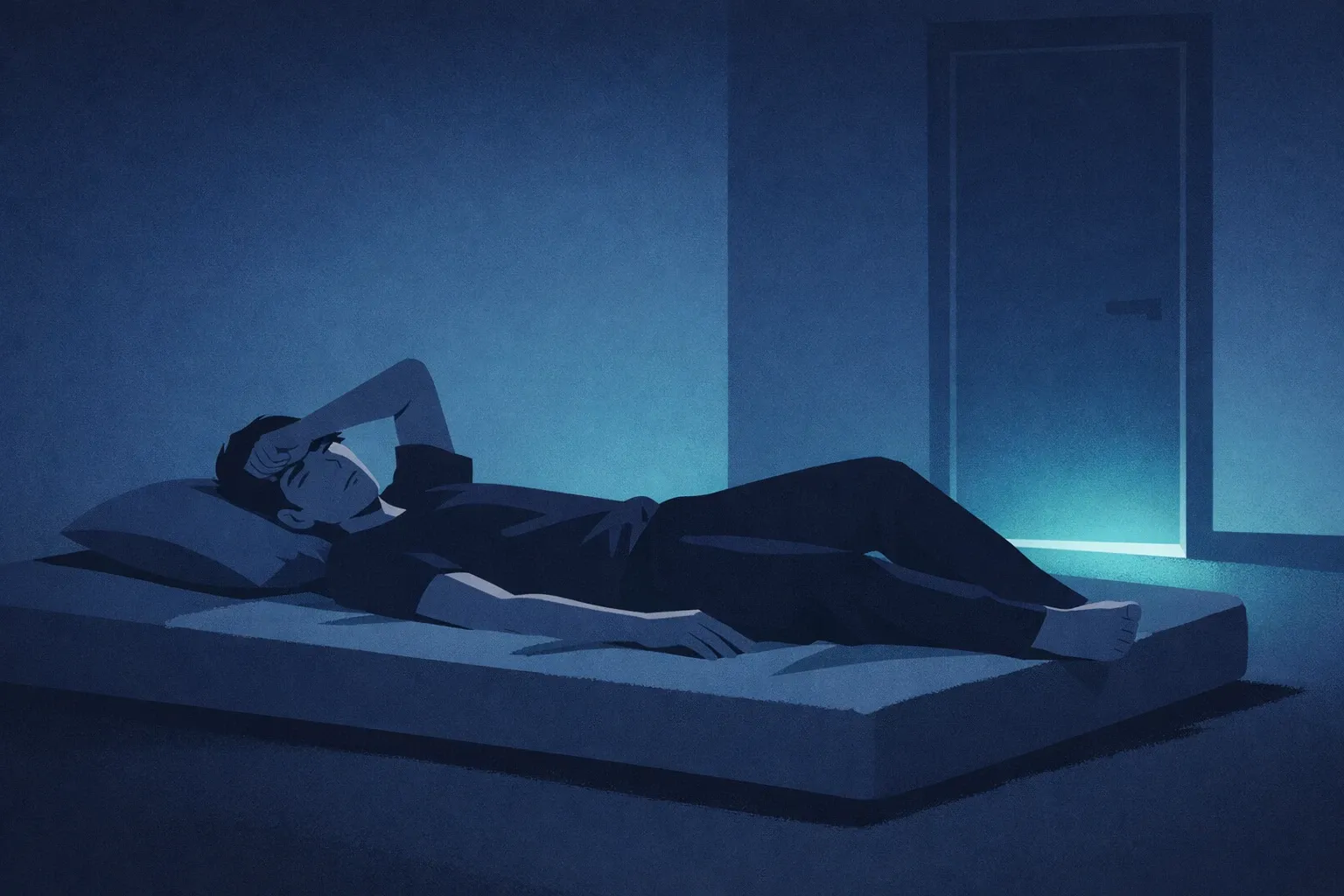
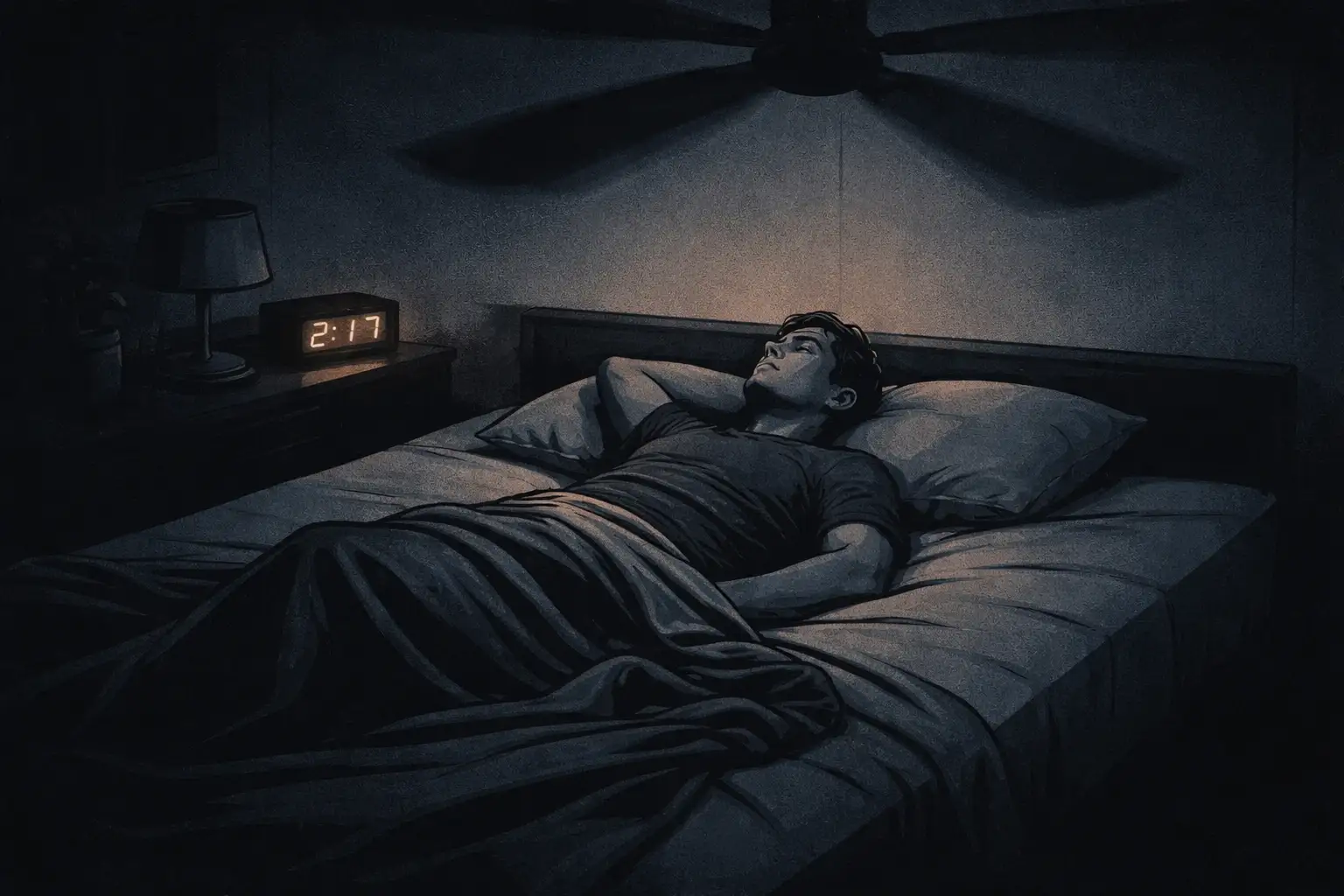
It feels like lying in bed tired but wired, getting hit with urges at midnight, waking up at 3am, or feeling strangely alert after a long day when you should be able to crash.
The short answer
Yes, NoFap can cause temporary insomnia or restless sleep.
A common pattern looks like this:
Days 1-7: more agitation, cravings, and trouble winding downDays 5-14: often the ugliest stretch for sleepWeeks 3-4: many people start sleeping more normally againBeyond a month: if sleep is still clearly broken, look beyond recovery alone
That is not a strict rule. Some people get only a few rough nights. Some get a couple of bad weeks. Some people already had poor sleep, and quitting porn simply exposes how unstable it was.
Why NoFap can mess with sleep so fast
Most people are not just quitting porn.
They are losing an entire night-time ritual:
- stimulation
- scrolling
- fantasy
- masturbation
- the crash that followed
That pattern may have been dysfunctional, but it was still a pattern. Your body got used to it.
When you remove that pattern, the brain does not instantly become calm and well-regulated. Often it overshoots instead. The old shortcut is gone, but the new routine is not built yet.
That is why recovery nights can feel weirdly intense.
It is not always “withdrawal” in the dramatic internet sense. Sometimes it is just a nervous system that forgot how to power down without help.
What NoFap insomnia usually feels like
The symptoms are not always identical, but there are a few recurring ones:
- lying down and feeling alert instead of sleepy
- racing thoughts once the room gets quiet
- vivid or sexual dreams
- waking in the middle of the night
- restlessness in the legs or body
- higher anxiety around bedtime
- feeling exhausted in the morning but wired again at night
Some people also notice that flatline days and insomnia days can overlap in a strange way. You feel low-energy during the day, then somehow still cannot settle at night.
That contradiction throws people off, but it is common.
NoFap insomnia is usually less about “your body needing release” and more about your brain losing a familiar way to sedate, distract, or dump tension at night.
The real reasons it gets worse at night
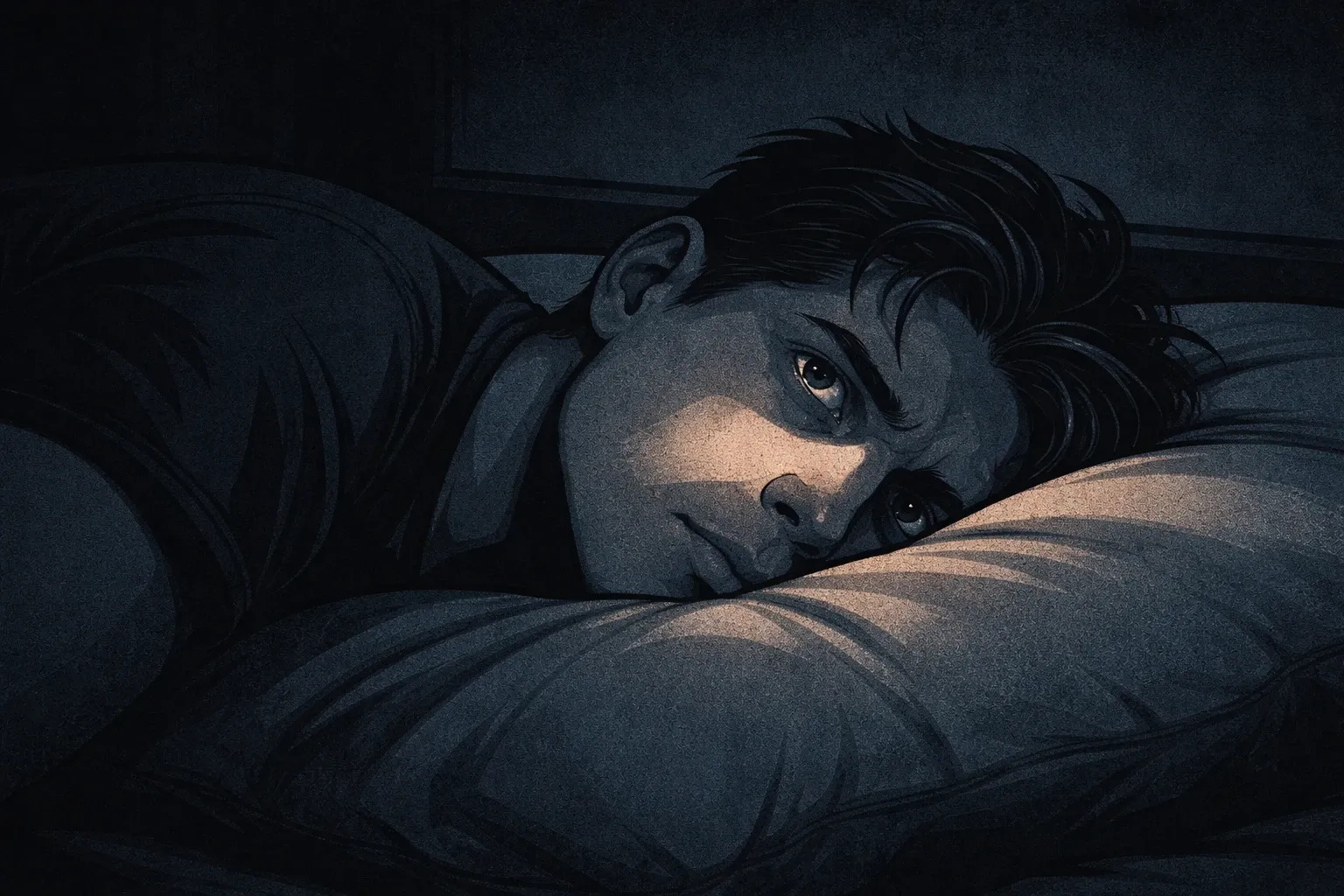
Night strips away distraction.
During the day you have noise, tasks, work, people, movement, and stimulation. At night, the room gets quiet and the stuff you were outrunning shows up more clearly.
That can include:
- stress
- loneliness
- shame
- boredom
- unresolved anxiety
- the habit memory of “this is when I act out”
If porn was how you regulated those states, bedtime becomes the exact moment your system notices the missing tool.
This is one reason some people wrongly conclude, “I need to relapse so I can sleep.”
What they usually mean is:
I never built a real wind-down process, so I only know how to knock myself out with stimulation.
That is a different problem, and it has a better solution.
What usually makes NoFap insomnia worse
There are a few predictable multipliers.
- staying on your phone in bed
- caffeine too late in the day
- irregular wake times
- napping too long out of exhaustion
- edging or flirting with sexual content without “fully relapsing”
- doing nothing physical during the day
- using alcohol or weed as a nightly bailout
If your sleep is rough, these matter more than people want them to.
Especially the phone.
For a lot of people, the phone is not just a screen. It is the entire old pathway:
- boredom
- social media
- suggestive content
- fantasy
- porn
- masturbation
Trying to beat insomnia while keeping that device in your hand in bed is usually fake effort.
What actually helps
You do not need a perfect sleep-optimization protocol.
You need a few repeatable behaviors that teach your body a new night routine.
Keep the wake time stable
This is the most boring advice and often the most important.
Even after a rough night, get up at the same time. That anchors your body clock better than sleeping in whenever recovery sleep goes sideways.
Build a low-stimulation hour
Do not go straight from bright phone chaos to “now I sleep.”
Give yourself a predictable ramp down:
- dim the lights
- put the phone away
- shower or wash your face
- journal for five minutes
- read something calm
- pray if that fits your life
The exact order matters less than repetition.
Move during the day
You do not have to kill yourself in the gym. But your body needs some actual output.
Walking, lifting, running, sports, even a long evening walk all help discharge the nervous energy that otherwise shows up when the lights go off.
Get out of bed if you are wide awake
If you have been lying there for a while and your brain is getting more agitated, get up.
Keep the lights low. Do something dull. Sit in a chair. Read a few pages. Journal. Breathe. Then go back when you feel sleepy again.
Lying there while getting angrier at the clock often trains the bed to feel like a stress zone.
Dump the mental noise
If your head is racing, do not try to out-think it in the dark.
Write it down:
- what you are worried about
- what needs doing tomorrow
- what you are feeling right now
That short brain dump helps because it turns vague internal pressure into something concrete.
What about supplements or sleep aids?
Some people use simple sleep aids for short stretches, and that can be reasonable. But they are support, not the foundation.
If your whole night is still built around stimulation, secrecy, and poor routine, no supplement is going to fix the root issue.
Keep it simple. Do not build a five-product stack because two bad weeks of recovery made you panic.
And if you already take medication, have other health conditions, or your insomnia is severe, talk to a doctor before piling things on.
When insomnia is more than just a recovery adjustment
This is where honesty matters.
Sometimes NoFap insomnia is temporary friction.
Sometimes it is exposing a broader problem that was already there:
- untreated anxiety
- chronic stress
- a genuinely broken sleep schedule
- depression
- substance use
- a pattern of using PMO to self-medicate
If your sleep was already unstable before recovery, quitting porn may not be causing the whole problem. It may just be removing the numbing layer.
That is uncomfortable, but it is useful information.
When to take it seriously
Talk to a doctor or mental-health professional if:
- the insomnia is still strong after several weeks
- you are not sleeping enough to function
- panic or anxiety is clearly driving the nights
- you are depending on substances to get to sleep
- low mood is getting darker, not better
Recovery can be messy. That does not mean you have to white-knuckle every symptom forever.
If your nights are spiraling, getting help is not weakness. It is basic competence.
A simple night plan that works better than guessing
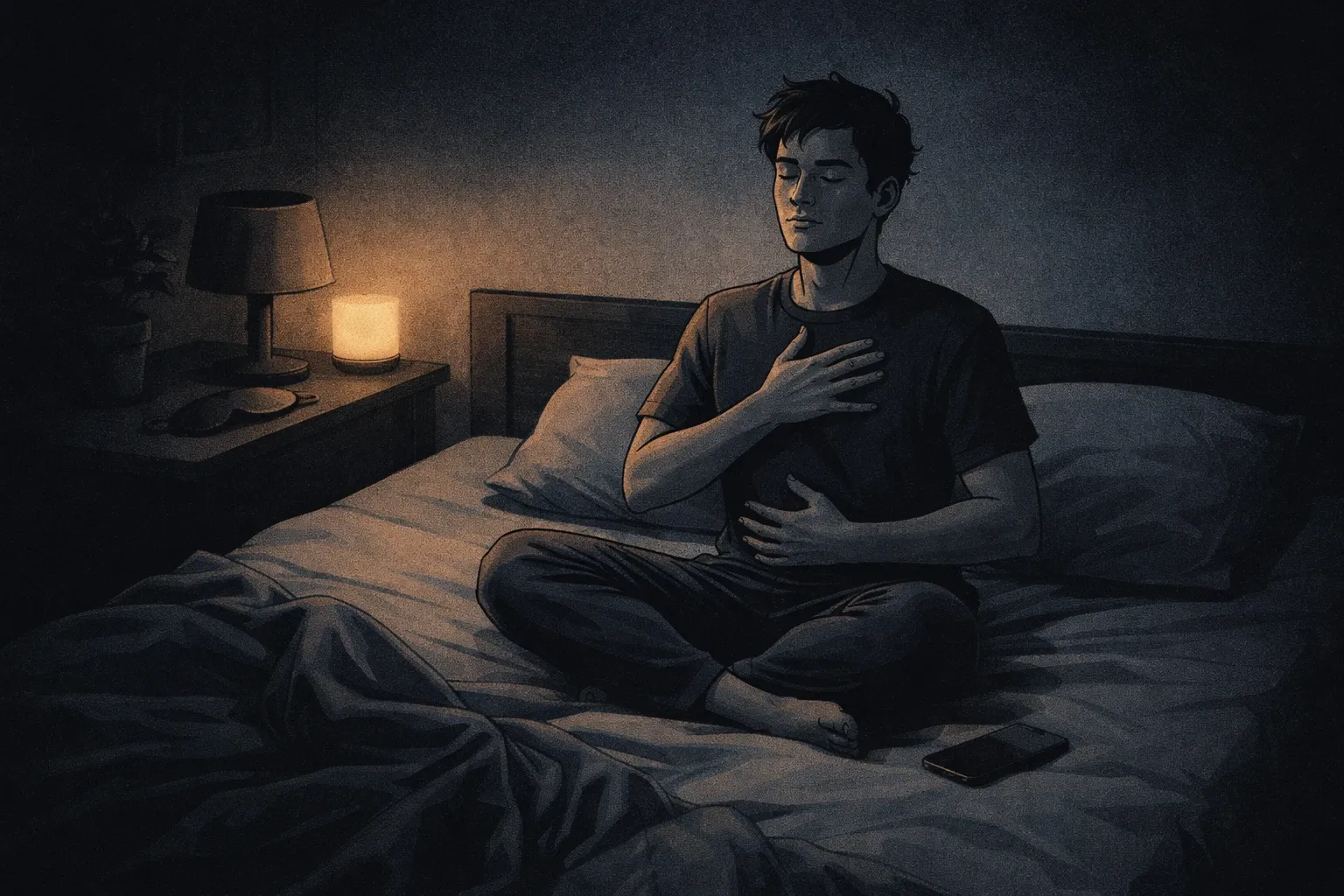
If your sleep is rough right now, try this for the next week:
- wake up at the same time every day
- get some daylight early
- move your body during the day
- stop caffeine earlier than you think you need to
- put the phone out of reach before bed
- use one quiet wind-down routine every night
- if you are wide awake, get out of bed and reset
That plan is not exciting. It is strong because it is repeatable.
The honest bottom line
NoFap insomnia is real, common, and usually temporary.
It does not usually mean your body is malfunctioning. It usually means your old night-time regulation method is gone, and your system is learning a cleaner one.
That learning period can be ugly.
Stay practical. Fix the routine. Protect the wake time. Get off the phone. Move during the day. And if it drags on or gets severe, take it seriously instead of calling everything “just recovery.”
Frequently asked questions
How long does NoFap insomnia last?
Usually a few days to a few weeks. For a lot of people, the worst stretch is somewhere in the first two weeks.
Why can’t I sleep on NoFap?
Usually because your brain got used to using porn, masturbation, scrolling, or stimulation as part of a night-time wind-down pattern. Remove that pattern and sleep can get messy for a while.
Should I relapse just to sleep?
That usually solves one night by feeding the same loop that keeps the problem going. It is a short-term sedative, not a stable fix.
Is NoFap insomnia a withdrawal symptom?
You can call it an adjustment symptom if you want. The main point is that it is common during early recovery and usually settles with time and better routines.
What helps the most?
Stable wake time, less phone use at night, daytime movement, and a repeatable wind-down routine. The basic stuff is usually the stuff that works.
If you want help staying steady through the ugly part instead of improvising every night, Obex helps you track streaks, urges, and recovery patterns so you can actually see what is changing.