How to Stop Watching Porn: A Real Guide That Actually Works
Not another list of tips. A practical system for how to stop watching porn that actually works — even when willpower and motivation run out.

Obex
Obex Team
Willpower alone doesn’t work. If it did, you’d have stopped already.
That’s not a dig. It’s just true. Porn is designed to be compelling. Entire teams are employed to make content more effective at keeping you engaged. Trying to out-willpower that with sheer resolve is like trying to beat a casino by wanting to win harder.
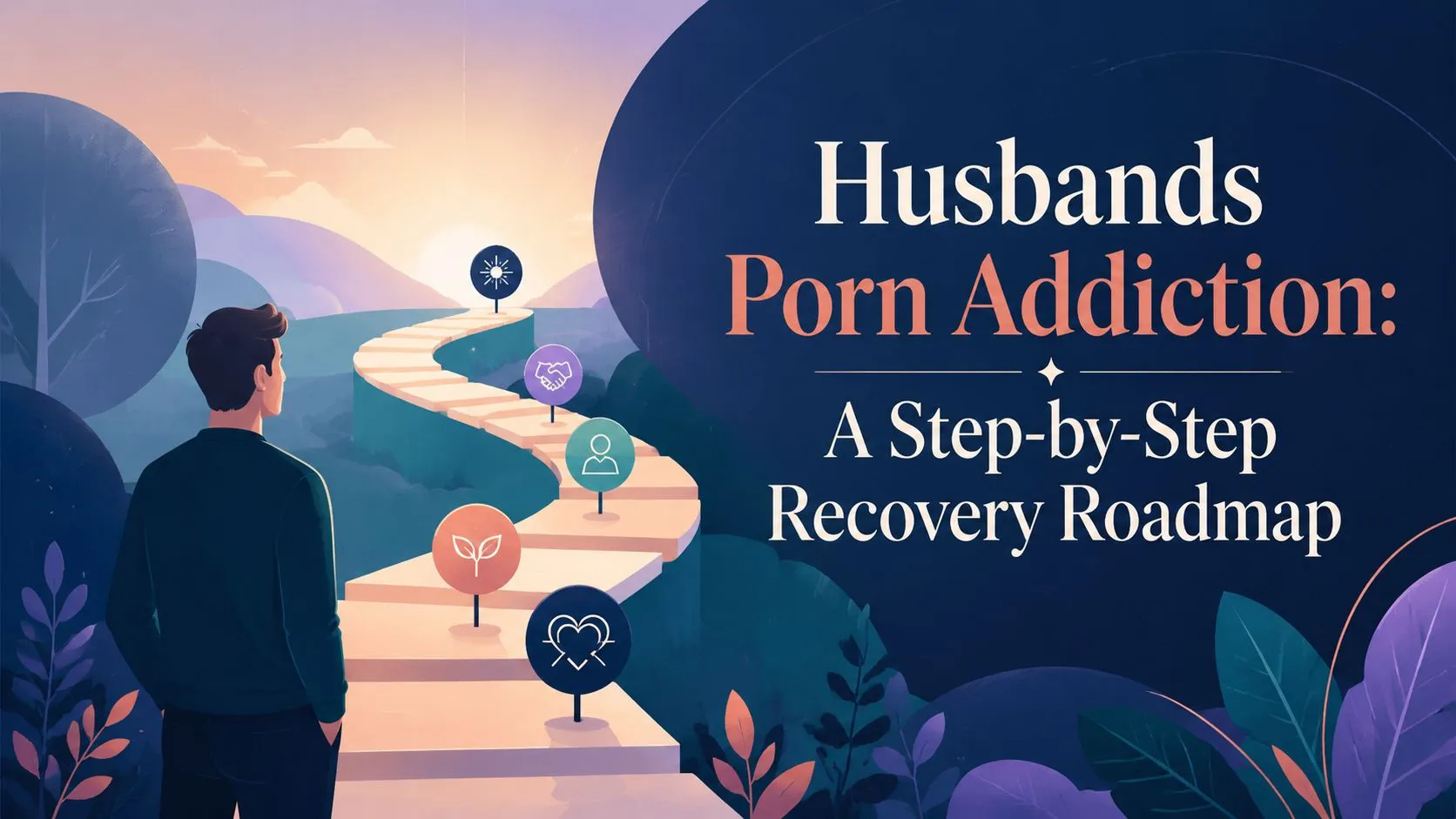
What actually works is changing the system around you, not just the feeling inside you. This guide covers the full system: environment, triggers, response routines, accountability, relapse handling, and the role of faith if that’s part of your foundation. It’s long because the topic deserves it.
Why most quit attempts fail
Most people approach quitting porn the same way every time: feel bad, decide to stop, white-knuckle through a few days, hit a rough moment, relapse, feel worse, repeat.
The problem isn’t lack of commitment. The problem is that the strategy doesn’t account for how urges actually work.
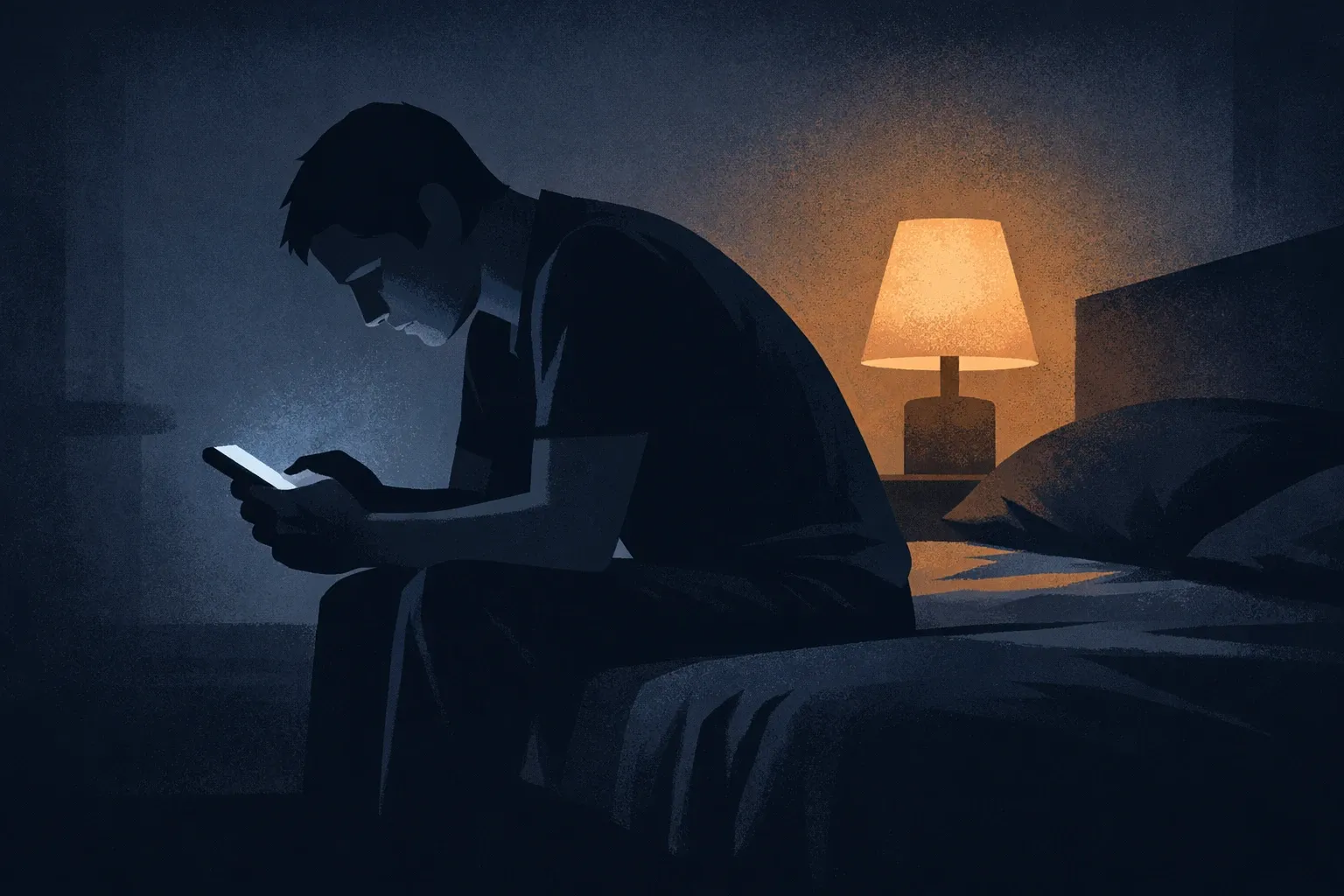
An urge doesn’t show up as a calm, rational choice. It shows up when you’re tired, bored, stressed, or lonely, when your prefrontal cortex (the decision-making part) is already running low. That’s not the time to rely on willpower. That’s the time to already have a system in place.
The shift: stop making “don’t watch porn” a willpower challenge. Start making it an environment challenge, a habit challenge, and a visibility challenge.
Stop making “don’t watch porn” a willpower challenge. Start making it an environment challenge, a habit challenge, and a visibility challenge.
“”“I thought I was a pessimist, but really I was just an addict.” — from Your Brain on Porn by Gary Wilson
Step 1: Design your environment against the habit
Porn access is frictionless. Open a browser, a few taps, you’re there. Your job is to add friction.
This doesn’t have to be elaborate. Start here:
- Move your phone out of your bedroom at night. A charger in the hallway works fine.
- Install a content blocker on every device you actually use. Covenant Eyes, Canopy, or even built-in screen time settings.
- Delete the apps or bookmarks that act as on-ramps.
- Turn off private browsing or make it harder to activate.
- Identify the one or two specific situations where you almost always relapse, and build a friction point there specifically.
You’re not trying to build a fortress. You’re trying to buy yourself 90 extra seconds. That’s often enough.
The logic is simple: make the bad decision slightly harder, and make the good decision slightly easier. Over weeks and months, that tiny margin compounds into something significant.
Step 2: Map your trigger pattern
Urges don’t come from nowhere. They follow a loop: trigger, craving, behavior, reward. If you can name your triggers, you can interrupt the loop before the craving peaks.
Common triggers:
- Late nights alone with a phone or laptop
- Stress after work, school, or a hard conversation
- Boredom, especially the “nothing feels interesting” kind
- Loneliness without a clear action to take
- Shame after a previous relapse (yes, shame is a trigger, not just a consequence)
Most people assume their triggers are purely sexual. They’re usually not. The strongest triggers are emotional: stress, isolation, boredom, frustration. The porn is the response, not the cause.
For a lot of people, the loop is better understood as the full PMO cycle. In other cases it turns into prolonged edging that keeps the urge alive much longer than the original trigger.
Keep it simple: for one week, note down every time an urge hits. Write when it happened, where you were, what was going on emotionally. After a week you’ll see a pattern. Probably two or three recurring windows that account for most of your temptation.
Those windows are where your system needs to be sharpest. Not everything, everywhere, all the time. Just those two or three moments.
Step 3: Build a response routine you can run on autopilot
The moment an urge hits is the wrong time to decide what to do. You need a pre-decided response that kicks in automatically.
A good urge response routine is physical, short, and gets you out of the trigger environment:
- Stand up immediately. Don’t stay in the same spot.
- Put the device down or in a different room.
- Do something physical for 2 to 5 minutes (walk, pushups, anything).
- Text or message one person. Doesn’t have to be about the urge specifically.
- Engage with a pre-chosen task for 10 minutes.
The goal isn’t to “not feel the urge.” The goal is to interrupt the autopilot before step one becomes step five in the relapse chain.
Most urges, left without fuel, peak somewhere between 5 and 15 minutes and then lose intensity. You don’t need to defeat the urge. You need to outlast it.
Most urges peak between 5 and 15 minutes, then lose intensity. You don’t need to defeat the urge. You need to outlast it.
Even if the routine feels forced or stupid, do it anyway. The brain learns through repetition, not through insight. Every time you run the routine instead of relapsing, the pathway for that routine gets stronger and the relapse pathway gets weaker.
Step 4: Use accountability before you need it
Accountability is only useful if it’s already active before a crisis hits. If you’re waiting until you’re deep in a spiral to think about reaching out, you’ve already lost the moment.
What good accountability looks like in practice:
- One real person who knows what you’re working on. Not a vague “I’m trying to be healthier.” A person who knows you’re fighting a porn habit.
- Regular check-ins that are brief and boring. Not dramatic confessions. Just “clean day, checking in” or “struggled tonight, stepped away.”
- Honesty about relapses within 24 hours, not weeks later.
The function of accountability isn’t guilt. It’s visibility. When someone else can see your streak, relapses cost more than when it’s completely private. That’s not punishment. It’s just how human psychology works.
The biggest barrier to accountability is shame. Most guys would rather fail privately forever than succeed publicly once. That instinct is the exact thing keeping the pattern alive.
Most guys would rather fail privately forever than succeed publicly once. That instinct is the exact thing keeping the pattern alive.
You don’t need dramatic honesty. You need consistent, boring honesty. One person. One daily check-in. That’s enough to start.

Step 5: Handle relapses like a mechanic, not a judge
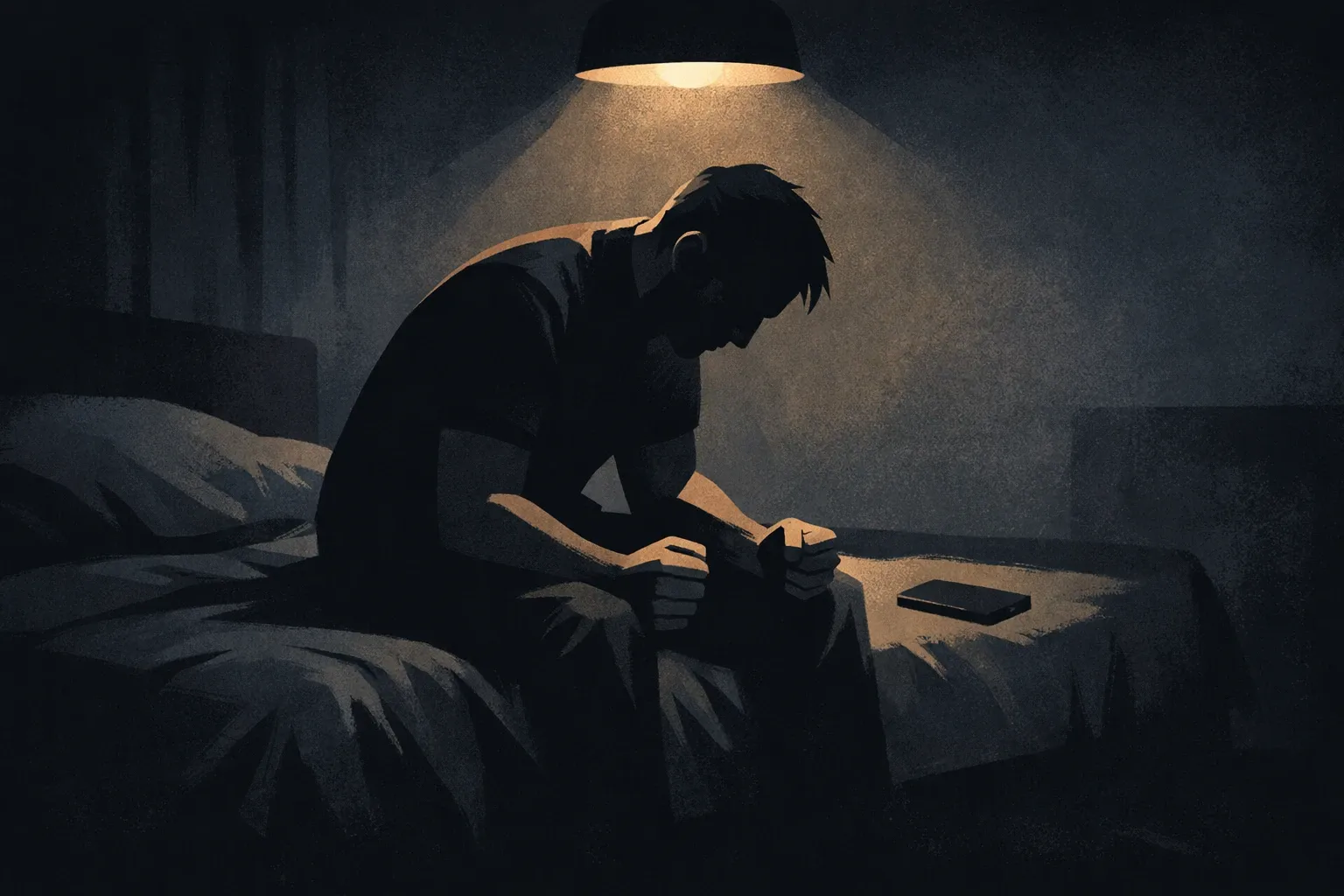
You will probably relapse at some point. That’s not pessimism. Recovery isn’t a straight line.
What matters is what you do in the 24 hours after a relapse.
Most people do one of two things: spiral into shame and relapse more, or pretend it didn’t happen and reset without analysis. Neither works.
The better move is a quick, practical review:
- What was the trigger?
- What friction point failed or was missing?
- What was I telling myself in the moment?
- What specific change do I make today to close that gap?
Then you reset and keep moving. Not with a dramatic declaration. Just with the next right action.
One relapse doesn’t undo the rewiring you’ve been doing. It’s a data point, not a verdict. The guys who eventually break free aren’t the ones who never relapse. They’re the ones who shorten the relapse cycle, learn from each one, and make the system tighter each time.
The difference between “I’m stuck” and “I’m recovering” isn’t the absence of setbacks. It’s the presence of a system that gets better after each one.
Step 6: Address the root, not just the surface
If porn is functioning as your primary coping mechanism for stress, loneliness, anxiety, or emotional pain, then removing the porn without replacing the coping mechanism leaves a vacuum. That vacuum always gets filled with something. Make sure it’s something better.
This means honestly asking: what is porn doing for me?
- If it’s stress relief, you need a replacement that actually reduces stress (exercise, journaling, prayer, getting outside).
- If it’s loneliness management, you need real human connection, not just the idea of it.
- If it’s boredom filling, you need something that genuinely engages you.
- If it’s numbing emotional pain, you may need to talk to someone, a counselor, a pastor, a friend who can handle the real conversation.
Many guys skip this step because it feels too soft. It’s actually the most load-bearing part. Without it, you’re removing a symptom without addressing the condition. The symptom keeps coming back.
And if your relapses tend to turn into dissociated, multi-hour sessions, read the breakdown on what gooning is. That’s a different pattern from a quick slip, and it usually needs more friction.
The faith dimension (if that’s your foundation)
If your recovery is rooted in faith, keep it there. Prayer, scripture, confession, and Christian community matter. But spiritual desire doesn’t replace practical structure.
Many people stay discouraged because they think needing systems means their faith is weak. It doesn’t. It means you’re human. Humans are shaped by habits, environments, and repeated cues. God made us that way. Using that design to build a better system isn’t a lack of faith. It’s stewardship.
The healthier approach is both spiritual and practical. Pray, and also put your phone in the hallway. Confess, and also install a content blocker. Join a small group, and also get an accountability partner who checks in daily.
The men in scripture who overcame temptation didn’t just pray harder. They also fled (Joseph), sought counsel (David eventually), and changed their environments. Practical action and spiritual dependence aren’t opposites. They’re partners.

— 1 Corinthians 10:13No temptation has overtaken you that is not common to man. God is faithful, and he will not let you be tempted beyond your ability, but with the temptation he will also provide the way of escape, that you may be able to endure it.
The long game
Quitting porn isn’t a one-time decision. It’s a series of smaller decisions supported by the right environment, habits, and people around you.
You don’t need to feel perfectly motivated. You don’t need to have everything figured out. You need a system that works when you don’t feel like using it, because that’s exactly when you’ll need it most.
Start with one change today. Fix one environment problem. Set up one friction point. Send one message to one person. That’s enough to begin.
The people who actually get free aren’t superhuman. They just stopped relying on willpower alone and built something that could hold them up when willpower ran out.
If you want the recovery arc broken down by stage, the NoFap timeline week by week and the guide on when NoFap gets easier are the clearest next reads.
If any of that resonated, grab Obex. Streaks, accountability partners, rank progression. It’s what we built it for.