Sex Withdrawal Effects: What the Evidence Actually Says

Luca
Updated · 7 min read

You stopped having sex, or masturbating, or watching porn, and now you feel kind of off. Restless, a bit irritable, sleeping worse, maybe foggy. So you look up sex withdrawal effects and find two camps: one says your body is going through withdrawal, the other says it’s all in your head.
Neither is quite right. There’s no medical condition called sex withdrawal, and when researchers tested it directly with porn, they didn’t find withdrawal symptoms, at least not in the first week. But what you’re feeling is real. Urges show up at the times you used to give in, your evenings feel weirdly empty, and your mood and sleep can be off for a while. For a lot of guys that’s a habit losing its place in the day, and it settles.
People use “sex withdrawal” for a few different situations: you’ve stopped having sex with a partner (a breakup, distance, waiting for marriage), you’re stopping masturbation, or you’re quitting porn because it’s turned into something you can’t control. Most of what’s below applies to all three, but the last one is usually where it feels hardest. So this covers what tends to show up in the first few weeks, what the evidence says, what helps, and when it’s worth seeing someone. If you’re doing NoFap and want the symptom-by-symptom version (flatline, insomnia, headaches), that’s in NoFap side effects.
What you might feel in the first few weeks
Nobody can give you a day-by-day schedule for this, and if someone does, they’re guessing. Some guys barely notice a difference, others have a rough couple of weeks. This is roughly how it tends to go.
The first week
What a lot of guys notice first is the urge showing up right on time: in bed, after a long day, when the house goes quiet, whenever you used to give in. That’s mostly the habit expecting its usual slot. On top of that you might feel tense or restless in the evenings, sleep lighter than usual, and have a shorter fuse, especially if sex or masturbation was how you relaxed or fell asleep.
Weeks two to four
This is where a lot of guys who are quitting porn or masturbation hit a flat stretch: low drive, not much interest in anything, sometimes weaker erections. Recovery communities call it the flatline. Some people describe a couple of weeks of it, others a few months, and not everyone gets one. Other guys get the opposite, urges that feel louder than in week one, because the motivation from day one has worn off and nothing about their evenings has changed.
After a month
For a lot of guys the urges come less often by now, especially if they’ve changed their setup, like where the phone sleeps and what the evenings look like. Instead of waiting for some milestone, look at how you’re actually doing. If your sleep, mood, work and relationships are steady or getting better, you’re through the worst of it.
For the next week, write down when the urges hit: the time, where you were, what you were doing. By the end of it you’ll know which hours you need a plan for.
Is it really withdrawal?
When people say withdrawal, they usually mean the drug kind, where your body has adapted to something and stopping makes you physically sick. There’s no good evidence that stopping sex, masturbation or porn works like that.
Researchers tested this directly in a 2023 experiment with 176 university students who watched porn at least three times a week. About half were randomly asked to stop for 7 days, the rest kept going as usual, and everyone rated their craving, mood and withdrawal symptoms every night. The group that stopped didn’t report more withdrawal symptoms, more craving or a worse mood than the group that kept watching, and that held even for the students whose porn use was more of a problem.
There was one exception, and it’s worth knowing about. In a follow-up analysis, students whose use was both problematic and daily did report more craving when they stopped, though the authors treat that as something to test properly, not a firm result. The study also only lasted a week, and about two-thirds of the students were women, so it can’t tell you everything about a guy quitting a daily habit he’s had for years.
So what you’re feeling is real, it just probably isn’t your body detoxing. The cues are still there (the time, the place, your phone, stress, boredom), and nothing answers them anymore. That’s also why most of what helps is about changing those cues.
Is going without it bad for your body?
Not for a healthy guy. Cleveland Clinic, which is pretty positive about ejaculation in general, says there isn’t evidence that not ejaculating causes health problems (Cleveland Clinic). Sperm you don’t ejaculate die off and get reabsorbed by your body. Is it healthy to not masturbate? goes through the research on both sides, including the prostate study people always bring up.
A few physical things are still worth knowing:
- Aching testicles after arousal. That’s what people call blue balls. It’s uncomfortable but not dangerous, and it usually fades within minutes (Cleveland Clinic). Sudden or severe testicle pain or swelling is a different thing. It can be testicular torsion, which is an emergency, so go to an emergency room.
- Weaker erections. Weaker erections, or no morning ones, are common during a streak, and a lot of guys say theirs came back as the flatline lifted. If it doesn’t improve in a few weeks, get a quick check with a doctor. The PIED guide goes into what guys describe and how long it tends to take.
- Wet dreams. Some guys notice more of them after they stop. They’re a normal, healthy thing your body does on its own (Cleveland Clinic). They don’t count as a relapse.
What helps
Since it’s mostly the habit, most of what helps is changing what’s around it.
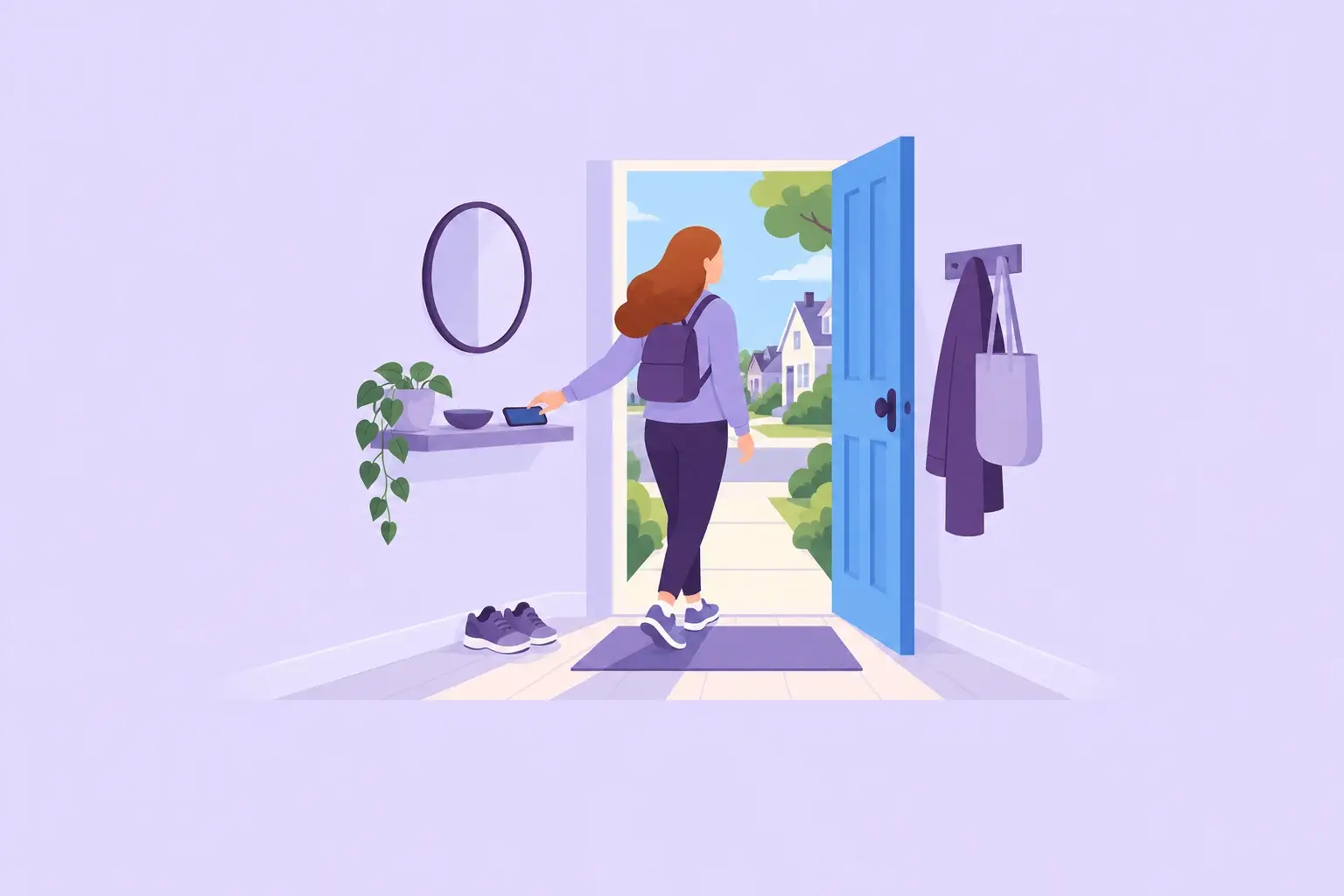
- Plan for your usual time. You probably already know when it hits, and for a lot of guys it’s late, in bed, phone in hand. Charge your phone in another room and decide during the day what you’ll do instead.
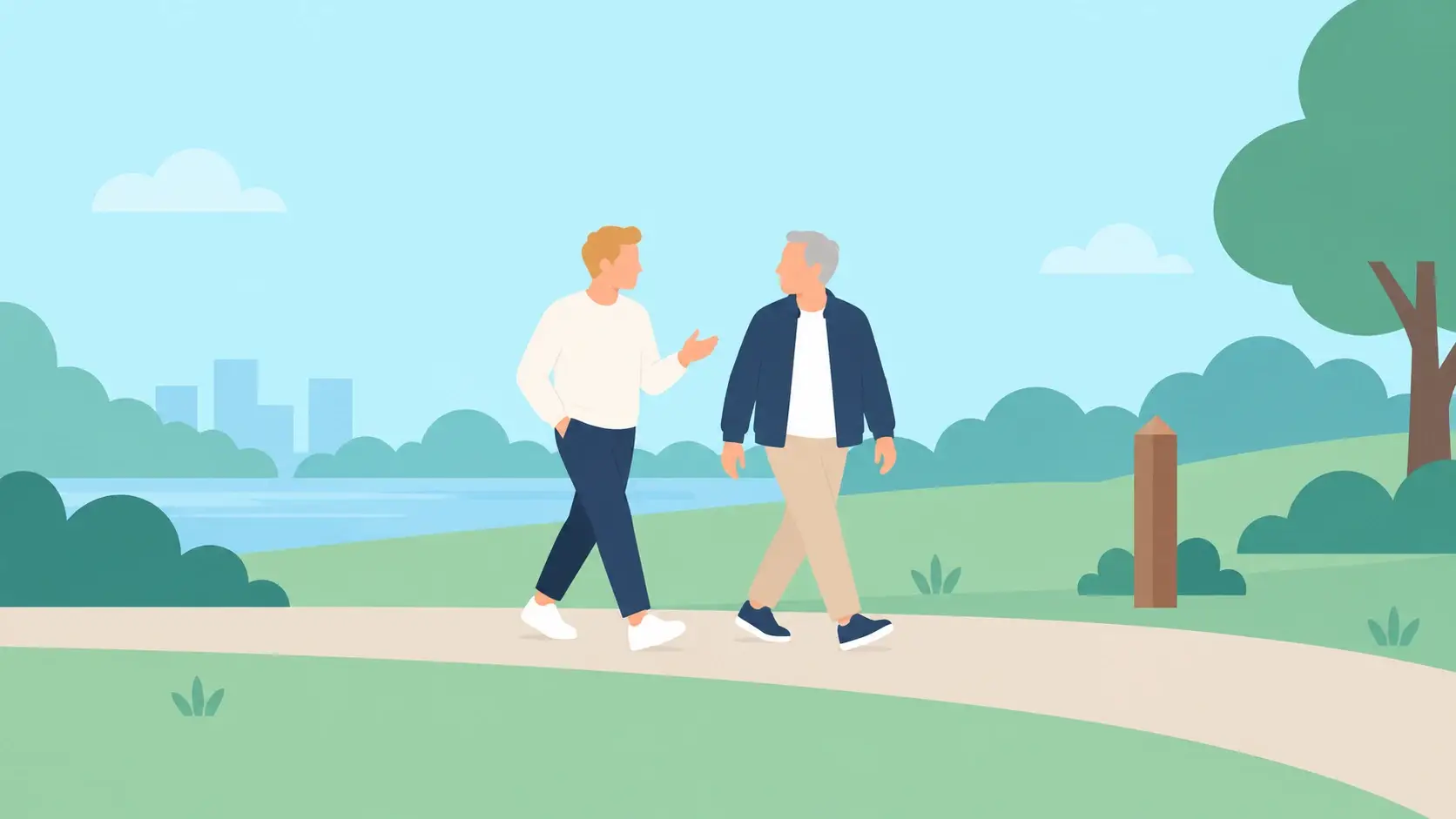
- Spend the urge somewhere else. Urges rise and fall, and a lot of people find they ease within about 10–15 minutes of doing something else. So get up, leave the room, go for a walk or do some push-ups, and don’t try to win an argument with it. The emergency urge guide has a step-by-step version for the bad nights.
- Give your day some shape. Get up at the same time, eat at normal times, and get some exercise in, even if it’s a walk. Empty evenings are where a lot of slips happen.
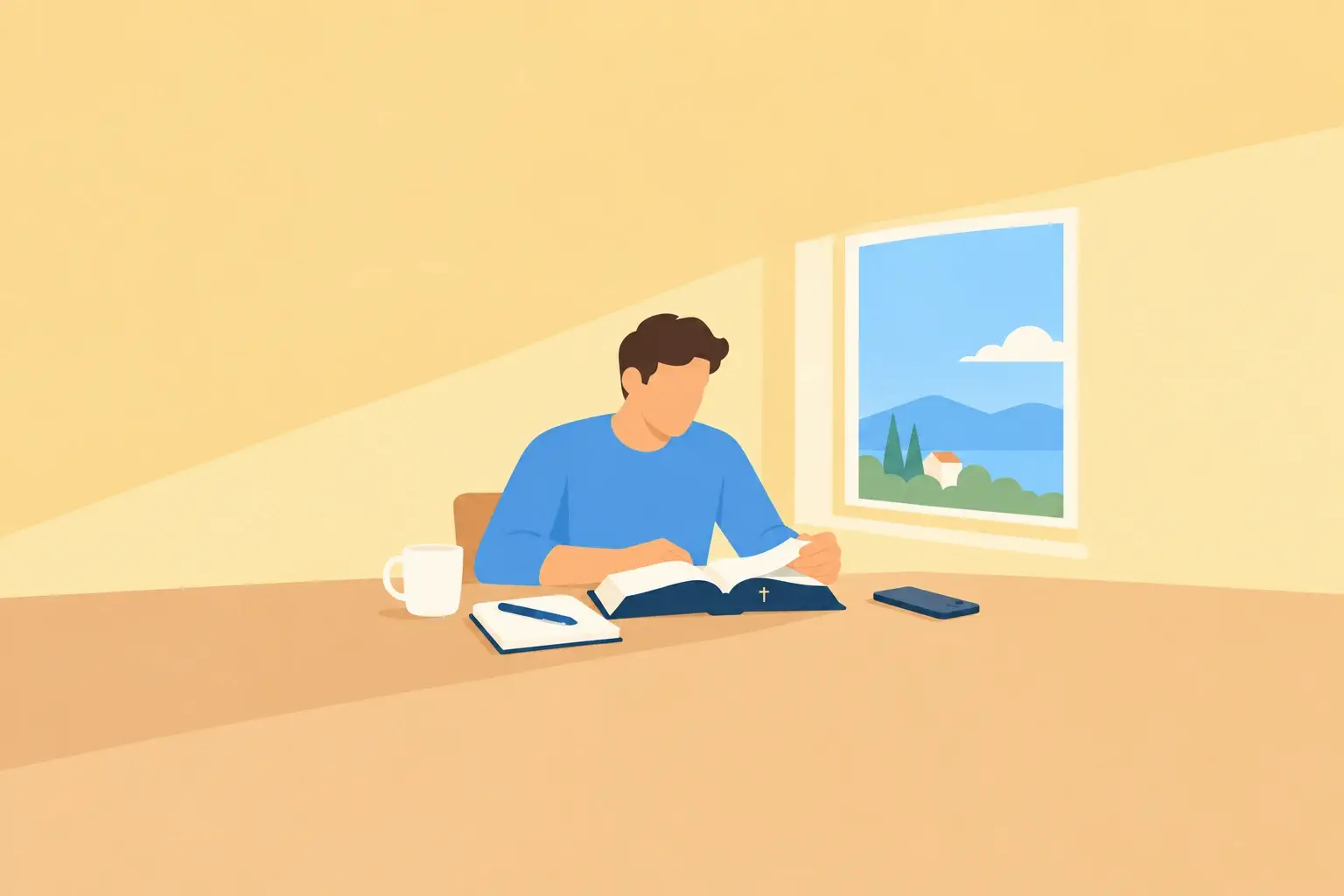
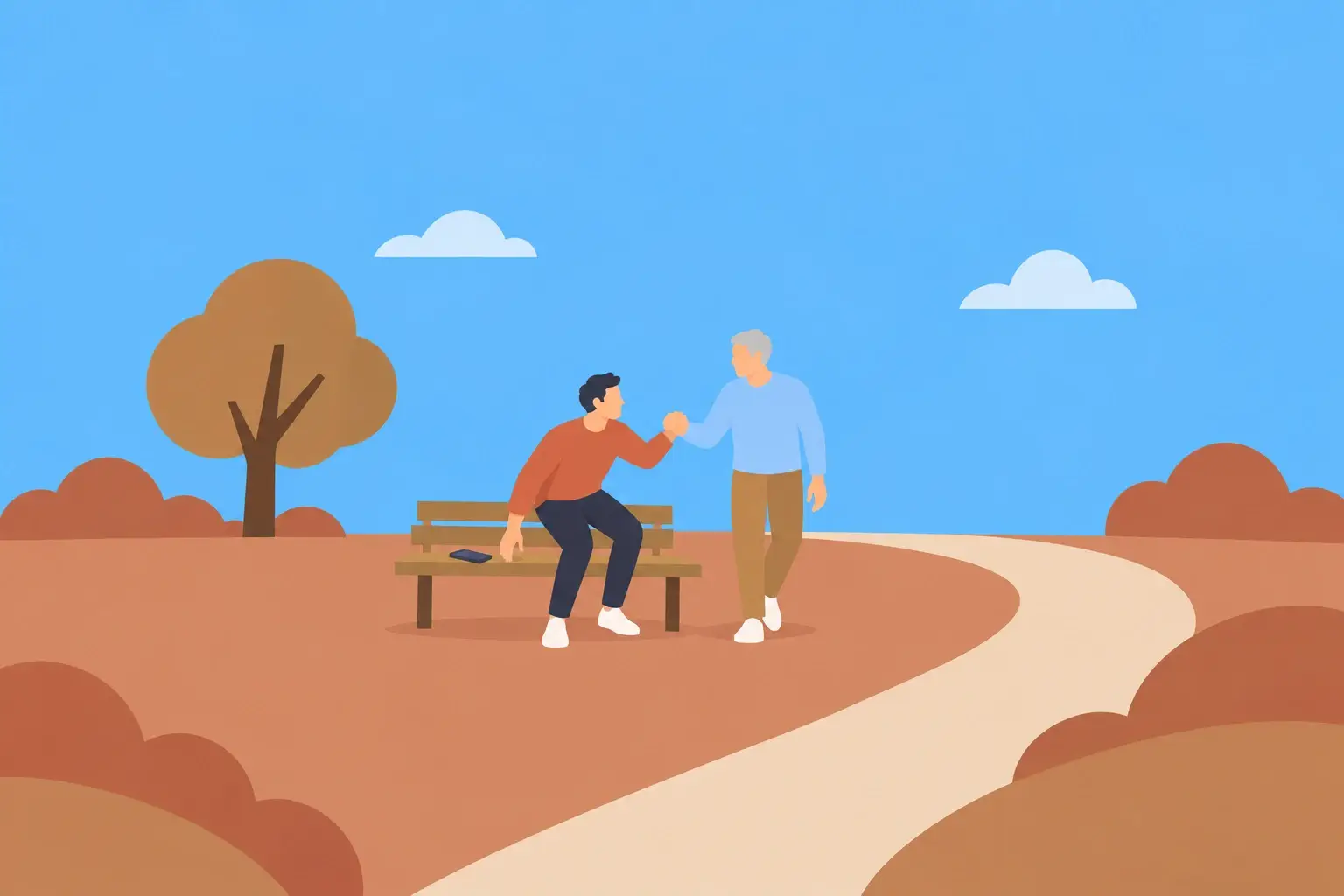
- Tell one person. A friend, a brother, someone from church. Agree on a quick daily check-in (one text is enough) plus a longer conversation once a week, and message them before your usual hour instead of only after a slip.
- Don’t let one slip turn into a week. Break the rule once and it’s easy to decide you’ve ruined everything anyway. The psychologist Alan Marlatt called this the abstinence violation effect, and knowing it has a name makes it a lot easier to stop at one.
When to get help
Most of this is uncomfortable but normal, and it settles as your routine changes. Talk to a doctor or a counselor if:
- your mood stays low, or your anxiety keeps getting worse, for more than a couple of weeks
- you go several nights in a row with almost no sleep
- you keep trying to stop and can’t, even though it’s costing you
If you’re having thoughts of hurting yourself, don’t wait: call or text 988 in the US (988 Suicide & Crisis Lifeline) or your local emergency number. And if you’re already being treated for depression or anxiety, keep going with it. Quitting porn or masturbation can be part of getting better, but it doesn’t replace treatment.
On the last point in that list: “porn addiction” isn’t a formal diagnosis, but the WHO’s ICD-11 includes compulsive sexual behaviour disorder, and a counselor who works with it can help you figure out whether you’re dealing with a compulsion or mostly guilt. If you want a private place to start, try the porn addiction test. If faith matters to you, a pastor or a small group can help a lot too, alongside a counselor when things are serious, not instead of one.