The NoFap Reboot: What It Is and How to Do One
What is a NoFap reboot, and how is it different from just counting days? Where the term comes from, what guys report, and how to set one up to last.

Obex
Obex Team
If you’ve spent any time on NoFap forums, you’ve seen guys talk about “rebooting”, and it sounds like it’s supposed to be more than keeping a streak going, which it kind of is. You can hit 30 days on a counter without doing a reboot in the sense people mean, and the difference explains a lot about why some guys really change while others mostly collect days.
So this is what a NoFap reboot means, how to do one, the common ways guys undermine it, what people report along the way, and where the idea comes from.
What a NoFap reboot means
“Rebooting” is a recovery-community term that Gary Wilson popularized through his website and book, Your Brain on Porn. His site describes a reboot as a complete rest from artificial sexual stimulation, internet porn included (Your Brain on Porn). In practice, a lot of guys who reboot also stop masturbating, at least for a while, and plenty drop fantasy and borderline content too.
There’s a definition that holds up without needing any theory behind it, and it’s pretty simple: a reboot is a long, deliberate break from porn and the habits around it, long enough for your routines, urges and expectations to change.
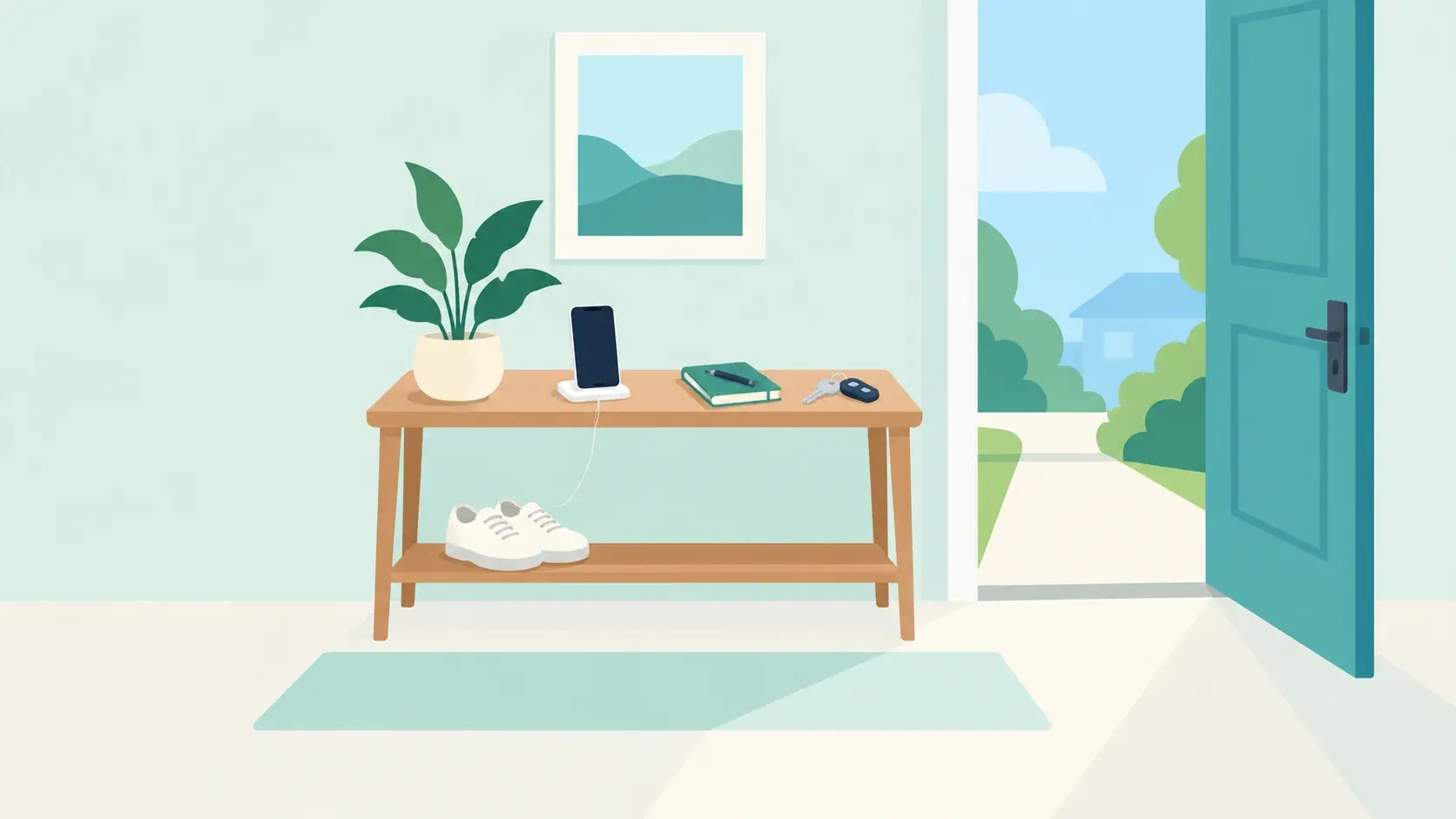
Alongside the counter, change at least one thing around it each week, like a blocker on your laptop, where your phone sleeps, or who knows what you’re doing.
How to do a reboot
You can’t speed up a reboot, but you can make the days count for more. These are the things that help most:
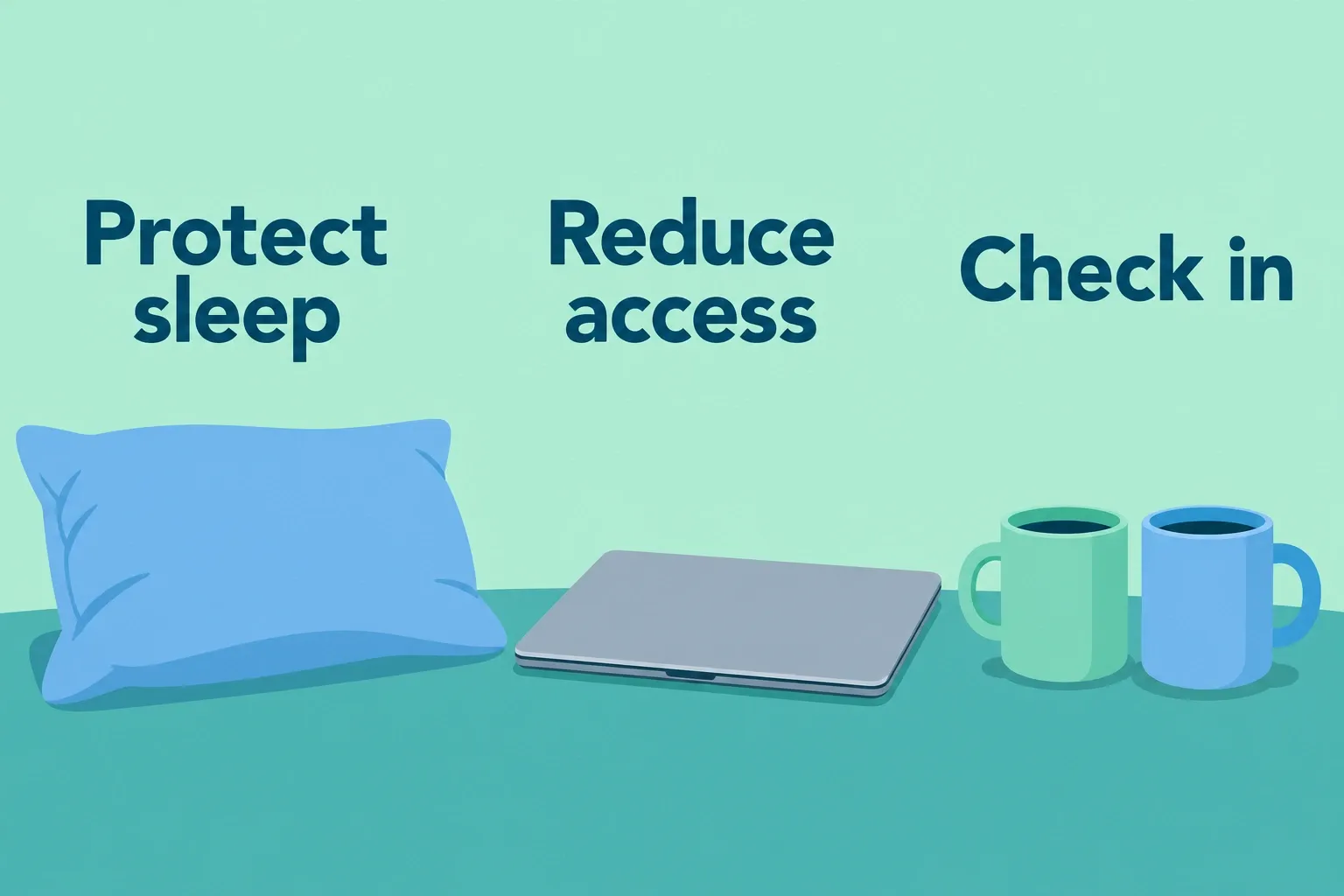
- Remove access. Blockers, fewer idle hours on devices, and the phone out of the bedroom cut down the moments that start cravings. Here’s how to go about blocking porn on your computer.
- Sleep. Tired, late evenings are where a lot of relapses happen, so keep a regular wake time and keep the phone out of bed.
- Exercise. Physical activity helps you feel better and sleep better (CDC), and a walk or a set of push-ups is a reliable way to interrupt an urge.
- Accountability. Knowing someone is aware of your progress changes things a lot. Relapses tend to grow when nobody knows, and accountability is how you get back up from them. A quick daily check-in (even one text) plus a longer conversation once a week is plenty.
- A plan for urges. Decide ahead of time what you’ll do in the first few minutes of an urge. Urges rise and fall, and many guys find they ease within about 10–15 minutes of doing something else. NoFap emergency help has a short plan for those minutes.
The most common ways guys undermine a reboot
These four come up again and again:
- Edging. Watching porn without finishing, or masturbating without orgasm, keeps the old routine running: the cue, the ritual, the arousal. A reboot means removing the stimulus, and guys who keep edging often say their urges stay strong.
- “Just checking.” Watching porn to test whether your libido is back puts you straight back in the old routine. The test tells you very little, and it’s often how a full relapse starts. If you’re worried about erections, a doctor can answer that question way better than a test can.
- Counting days without changing access. If porn is one tap away on every device and you’re relying on willpower not to open it, you’re asking willpower to win every single night, which it usually doesn’t, so the setup has to change.
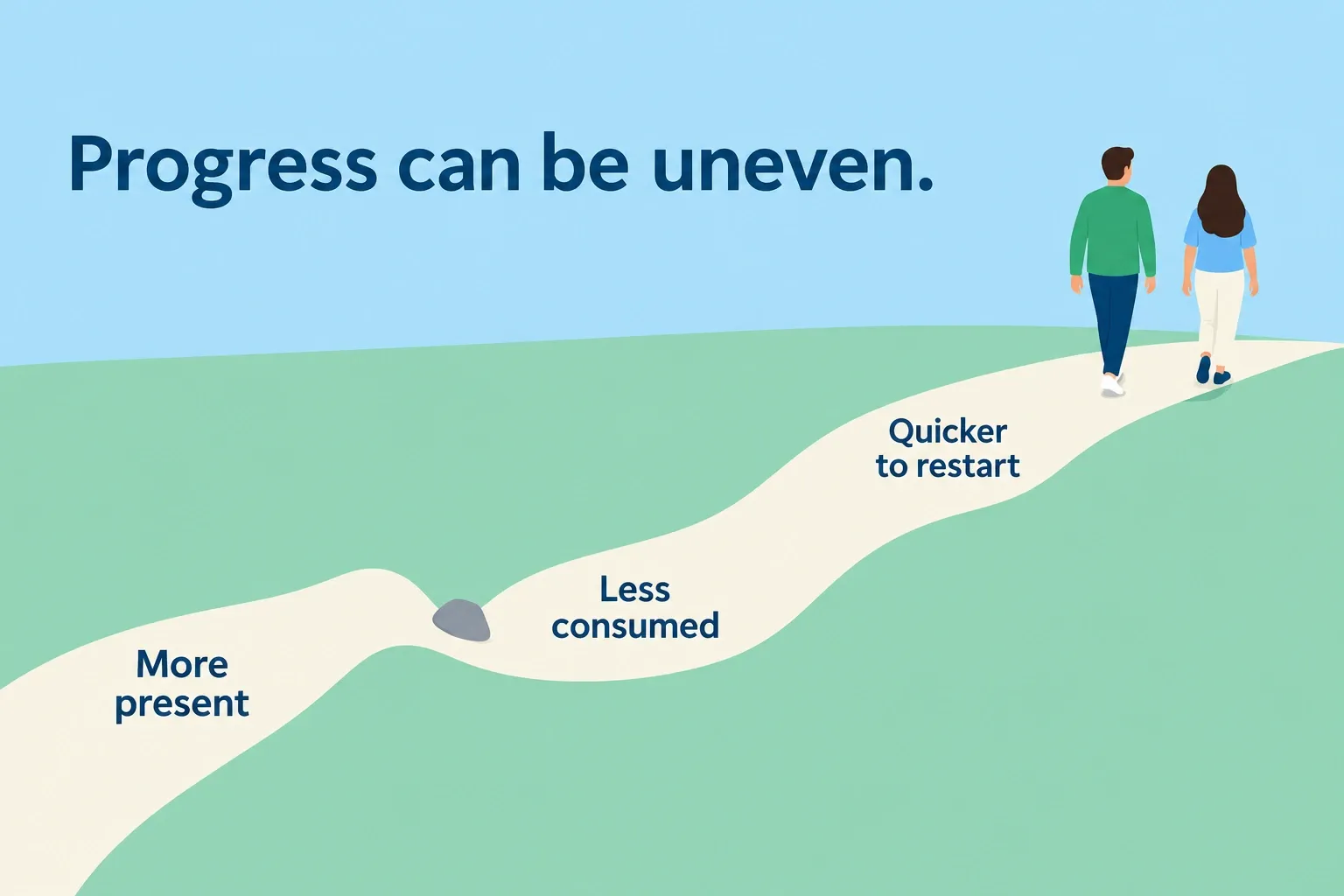
- Expecting a straight line. A lot of guys hit a flatline or a rough patch in week two and decide the reboot has failed. Rough stretches are really common, and if you expect steady improvement you’ll read a normal bad week as failure.
What people report during a reboot
There’s no fixed sequence, but recovery communities describe a rough pattern. These are common experiences, and you won’t necessarily go through all of them, or in this order.
The first week or two
Many guys describe strong urges, irritability, restlessness and bad sleep. Forum members often call it withdrawal, but the first randomized trial to test for withdrawal from porn found no clear withdrawal symptoms over seven days, apart from more craving among daily users with high problem-use scores in an exploratory analysis (Fernandez et al., 2023). Most of the people in it were students with fairly low levels of problem use, so it can’t tell you much about a heavy user. Whatever you call it, the first stretch is often the hardest.
The flatline
Plenty of guys hit a stretch where their sex drive drops instead of rising, along with low motivation and energy, and recovery communities call it the flatline. When researchers analyzed 104 abstinence journals from a rebooting forum, close to a third of the men described their sex drive dropping during abstinence rather than rising (Fernandez et al., 2021). Some guys describe a couple of weeks of it and others a few months. Not everyone has one, and there’s no agreed cause.
A flatline doesn’t mean the reboot is failing, and plenty of guys go through one and come out the other side. Weaker erections or no morning erections are often part of it too, and a lot of guys say they came back as the flatline lifted (the PIED guide goes through what guys usually describe). If it hasn’t improved after a few weeks, get a quick check with a doctor, since erection problems can also come from physical causes like blood vessel problems or diabetes (NIDDK). Go sooner if you have diabetes, high blood pressure or heart disease in the family, or you smoke.
Gradual change
Over the following weeks and months, guys commonly report clearer thinking, urges that are easier to notice and ride out, more interest in ordinary things, better sleep and more emotional range. Good days and rough days alternate, and the trend shows up better over months than week to week.
How to tell a reboot is working
Progress is easy to miss because it’s rarely dramatic. Signs guys look for:
- Urges come less often and feel less consuming
- You can focus for longer
- Things that felt flat start to interest you again
- Sleep improves
- You’re more present in conversations and relationships
- After a slip, you get back up faster and the shame spiral is shorter
You might not see it week to week, but if you compare day 45 with day 10, many guys notice a clear difference.
Where the idea of rebooting comes from
The name comes from computers, where you shut it down and let it restart clean. Wilson argues that heavy internet porn use dulls the brain’s response to ordinary sexual and everyday rewards, and that a long break lets that response come back. That’s his theory, and the research behind it is limited and disputed. “Porn addiction” also isn’t a formal diagnosis, and the closest recognized one is compulsive sexual behaviour disorder in the WHO’s ICD-11.
The brain evidence people cite most is small. A Cambridge imaging study compared 19 men with compulsive sexual behaviour with 19 healthy volunteers and found stronger activity in reward-related brain areas when they watched explicit videos, a pattern the authors compared with drug-cue reactivity (Voon et al., 2014). It’s an interesting finding about cue reactivity, but it didn’t test rebooting, and it can’t show that abstinence reverses anything.
None of that changes the practical side, because the plain definition at the top doesn’t depend on the theory being right.
When is a reboot “complete”?
There’s no clean answer. Ninety days is a community convention, and it isn’t a medical threshold. Habit research is a good reminder of why fixed numbers mislead: in one well-known study, forming a new habit took a median of 66 days, with a range of 18 to 254 (Lally et al., 2010). So the first 90 days make a reasonable first target, and it’s better not to treat them as a finish line.
“Complete” is probably the wrong way to think about it anyway. Research on behavior change suggests new habits tend to suppress old ones instead of erasing them, so old cues can bring an urge back even after a long gap, especially in a different setting (Bouton, 2014).
That’s why it makes more sense to see a reboot as the start of a new normal, with the work carrying on after it. What you build along the way, the habits, the accountability and knowing yourself better, is what makes the next slip less likely, and shorter if it does come.
If you’re starting a reboot, Obex tracks your streak through nine ranks, from Ash at day zero to Onyx at day 90, and lets you add an accountability partner for the days the number isn’t enough.