The NoFap Timeline: What Your Brain and Body Go Through Week by Week
The complete NoFap timeline, week by week — what your brain and body go through, the rough patches to expect, and when it starts to click.


Obex
Obex Team
The NoFap timeline gets summarized a lot as: “hard at first, then amazing.” That framing sets people up to fail, because the real experience is a lot messier, and understanding what’s actually happening in your brain week by week makes the rough patches survivable.
What follows is what the science says is going on, and what it tends to feel like at each stage.
What’s actually happening in your brain
Before the timeline: a quick explanation of the mechanism, because understanding it makes the hard weeks make sense.
When you watch porn, your brain releases dopamine. Not a small amount — porn triggers dopamine spikes comparable to hard drug use in MRI studies. Over time with heavy use, your brain compensates by downregulating dopamine receptors. It essentially turns down its own sensitivity to avoid being flooded.
The result: you need more and more stimulation to feel anything, and normal life starts feeling dull by comparison. This is called desensitization.
When you quit porn, your brain has to undo that process: rebuild receptor density and restore normal sensitivity. That process isn’t instant. And while it’s happening, you’ll often feel worse before you feel better.
The brain rewires toward whatever it consistently experiences — including consistent abstinence. The timeline is messy, but the direction is real.
That’s the flatline. And it’s why the timeline looks the way it does.
Week 1: The first wall
What’s happening: Your dopamine system is registering that its usual input has stopped. It responds by generating strong craving signals and by reducing baseline mood until the reward input returns.
What it feels like: Irritability, restlessness, difficulty concentrating. Urges that feel sharp and frequent. Some people also experience headaches, disrupted sleep, and a feeling of vague dissatisfaction with everything.
The urges in week one are often more intense than at any other point. This confuses people. They expect relief, and they get the opposite.
The key reframe: the intensity of early urges isn’t evidence that you can’t quit. It’s evidence that the habit was real and that your brain is protesting its removal. That protest is time-limited.
The move: Get through the week. Day seven isn’t a destination — it’s just a milestone. But it’s a real one.
Week 2–3: The flatline arrives
What’s happening: This is the deep recalibration phase. Dopamine receptor density is actively recovering, which temporarily depresses baseline mood and libido.
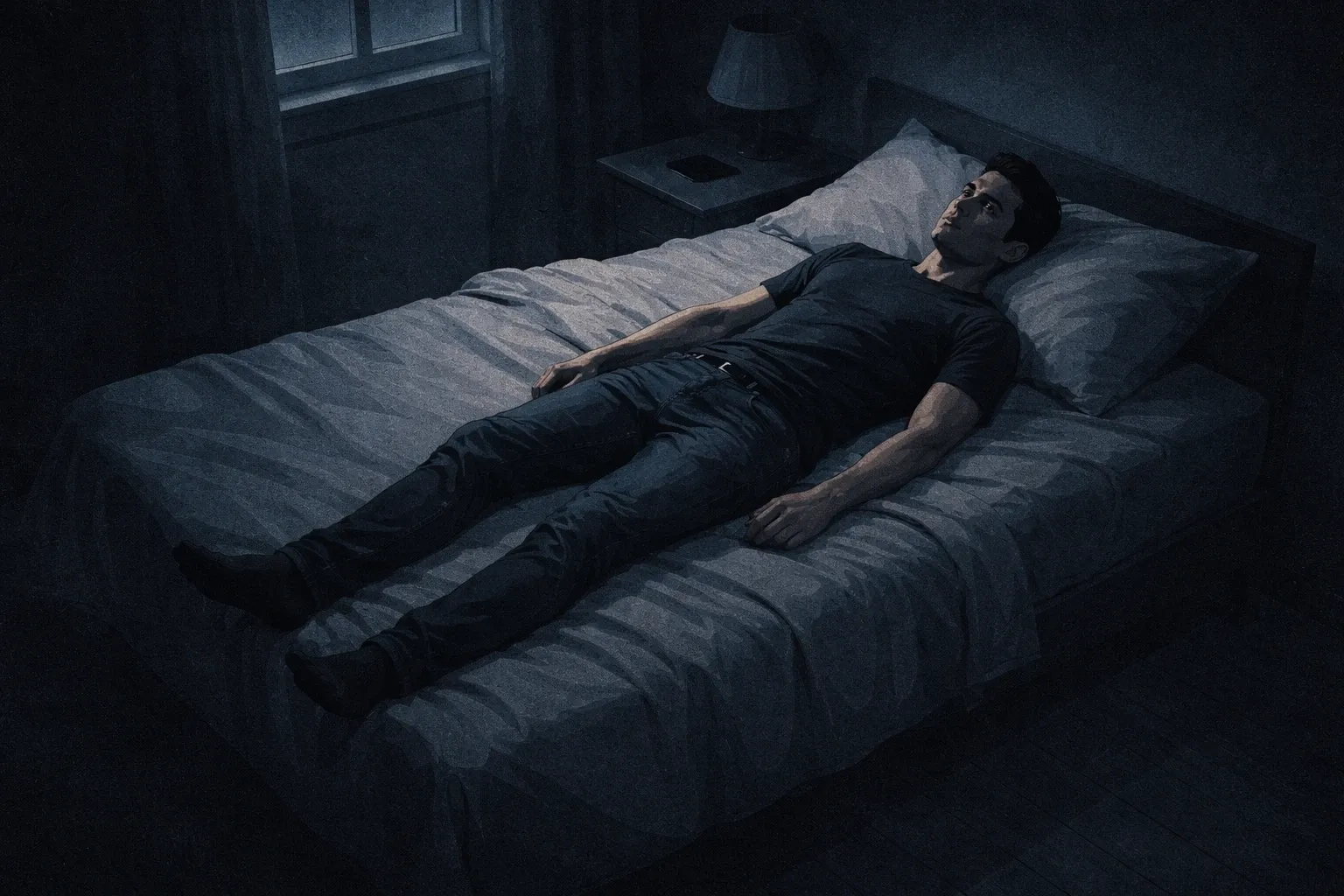
What it feels like: The urgency of week one often fades, but it’s replaced by something that feels worse to many people: numbness. Low libido. Emotional flatness. Low motivation. Difficulty feeling excited about things that used to feel interesting.
This is the flatline, and it’s the phase most responsible for people giving up.
The logic many people follow: “I feel terrible, so quitting must not be working. I’ll relapse to feel normal again.” But that logic is wrong. Relapsing doesn’t restore normal — it just kicks off the withdrawal cycle again. The flatline has to be waited out, not escaped.
The move: Name what’s happening. “I’m in the flatline, this is normal, it ends.” Keep moving physically. Exercise is one of the most effective tools for supporting dopamine system recovery. Lean on accountability.
Week 4–5: The first real lift
What’s happening: Receptor density is meaningfully recovered. The acute phase of recalibration is largely done. Your baseline dopamine system is starting to fire at normal sensitivity levels again.
What it feels like: This is when the “NoFap superpowers” people talk about often start showing up. Not all at once, but noticeably:
- Clearer thinking and better focus
- More consistent energy throughout the day
- A return of genuine interest and enthusiasm
- Social confidence that feels different from before. Quieter, less anxious
- Libido starting to return, directed at real people and real situations rather than fantasy
Some of what feels like “superpowers” is actually just normal. But if you’ve been operating with a depressed dopamine system for years, normal feels remarkable.
The move: Don’t coast. This is also a period when people get overconfident, lower their guard, and relapse. The recalibration is happening but it’s not complete. Keep your systems in place.
Week 6–8: Consolidation
What’s happening: The brain continues normalizing. Habits and identity start shifting. The new pattern is becoming established.
What it feels like: Stability. Not euphoria — just a steadier experience of day-to-day life. Urges become more manageable. They exist, but they feel less overwhelming. The habit of not watching porn starts feeling more natural.
For people dealing with PIED, this window is often when meaningful improvement becomes evident. For people experiencing brain fog, this is typically when cognitive sharpness is fully back.
The move: Build on the momentum. This is a good time to actively invest in the things you’ve had more bandwidth for: relationships, goals, physical health. Making that investment deepens the identity shift and reduces relapse risk.
Beyond week 8: The new baseline
What’s happening: Your dopamine system is largely recalibrated. The behaviors you’ve been building are becoming habit. The identity shift from “someone quitting porn” to “someone who doesn’t watch porn” is in progress.
What it feels like: Life that has more texture. Things feel interesting. Challenges feel addressable. The “fog” people describe from heavy porn use is mostly gone.
Urges still happen. They’re triggered by stress, isolation, old environments. But they feel like weather — you notice them, they pass, you’re not swept away.
This isn’t the finish line. Recovery is ongoing. But the acute, grueling phase is well behind you at this point.

A few honest notes
Individual variation is real. The timeline above is an average arc. Some people move faster. People with longer or heavier use histories often move slower. The flatline can extend to 8–12 weeks. That doesn’t mean recovery isn’t working.
The timeline assumes no relapsing. Relapses don’t necessarily destroy all progress, but they do slow it. A relapse at week three doesn’t put you back at day zero neurologically, but it does reset the clock on the streak and often reactivates the craving cycle.
Co-occurring mental health matters. Anxiety and depression can significantly extend the flatline and complicate the timeline. If those are factors, they’re worth addressing directly alongside the porn recovery.
Abstinence alone isn’t the full picture. Sleep, exercise, real social connection, and meaningful activity all support dopamine system recovery. The timeline above assumes you’re doing at least some of those things.
Want to track where you are on this timeline? Obex maps your streak week by week.