When Does NoFap Get Easier? An Honest Answer
When does NoFap get easier? It doesn't happen all at once — here's what actually shifts and when, based on how your brain rewires during recovery.


Obex
Obex Team
It doesn’t get easier in one clean moment. There’s no day where you wake up and the urges are just gone.
But it does get easier. In stages. And knowing what those stages actually look like makes a real difference, because most people give up right before things start to shift.
Week 1: This Is the Hardest Part
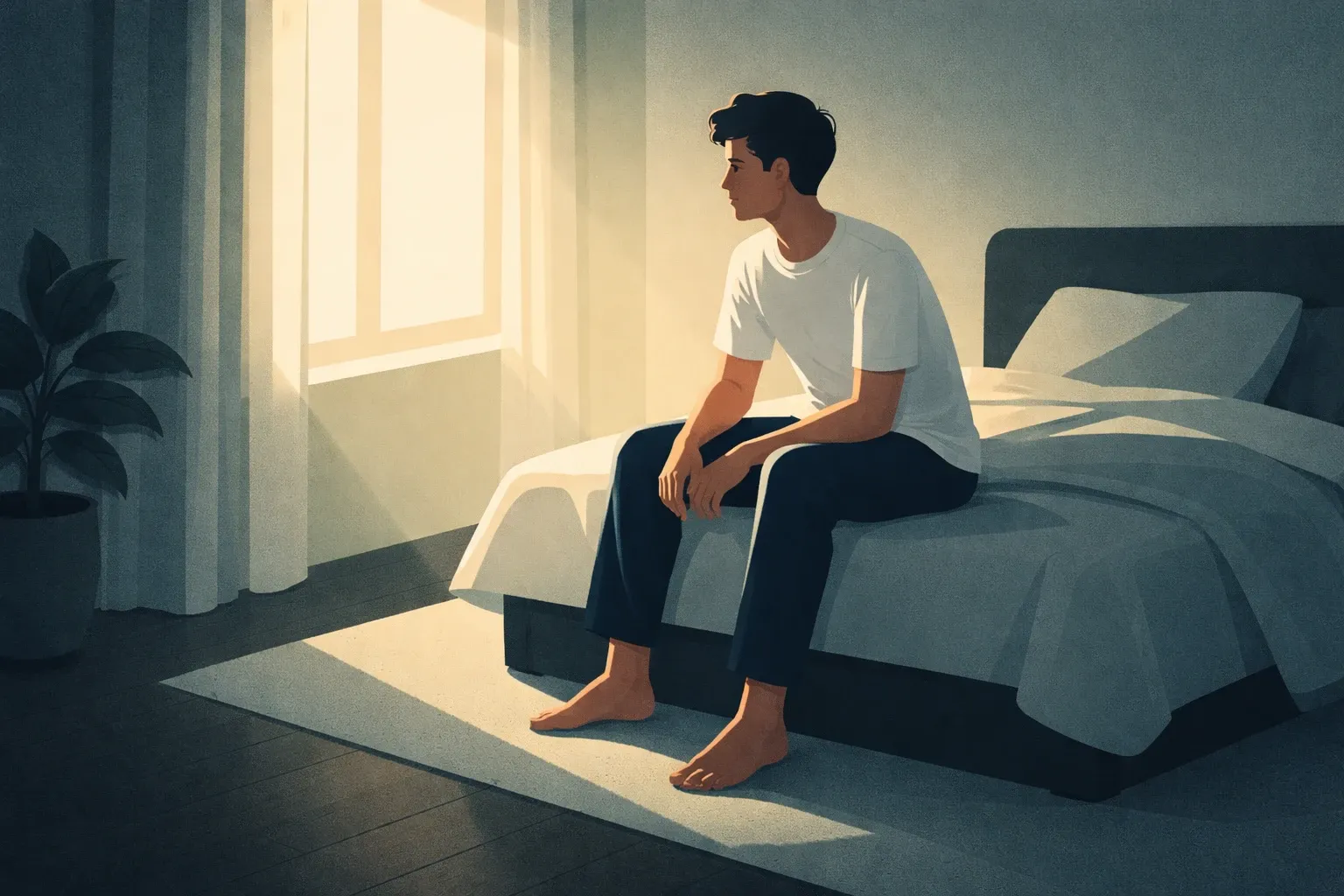
The first seven days are rough for most people. Your brain is used to a dopamine hit that’s fast, predictable, and always available. When you cut that off, it notices.
Expect:
- frequent, intense urges, especially in the evening
- restlessness and irritability
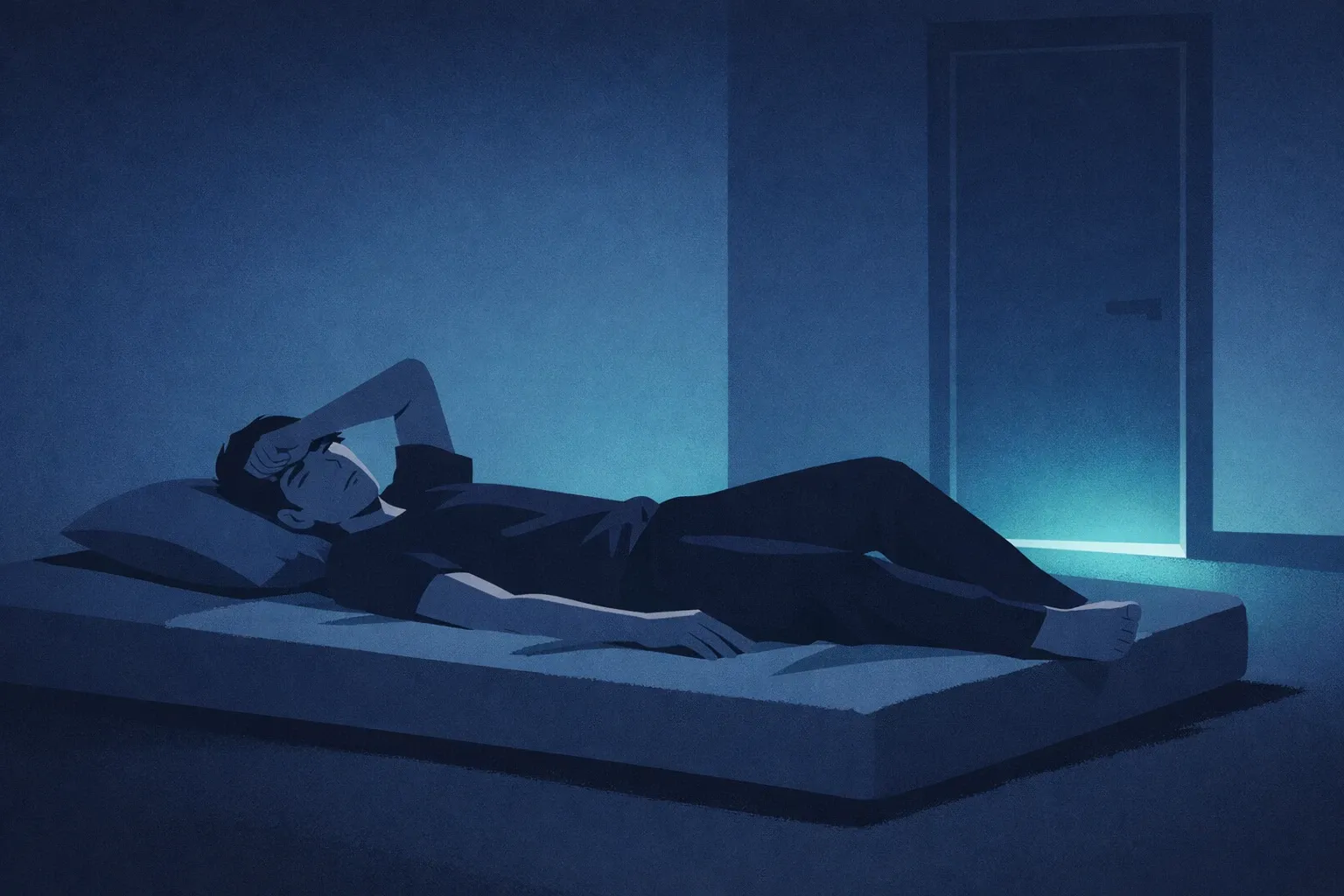
- trouble sleeping
- your brain hunting for any excuse to justify one more time
This isn’t weakness. It’s withdrawal. Your dopamine system is recalibrating, and it doesn’t do that quietly.
The goal in week one isn’t to feel great. It’s just to not relapse. Use friction, use accountability, don’t be alone with your phone at night.
Days 14–21: The Flatline
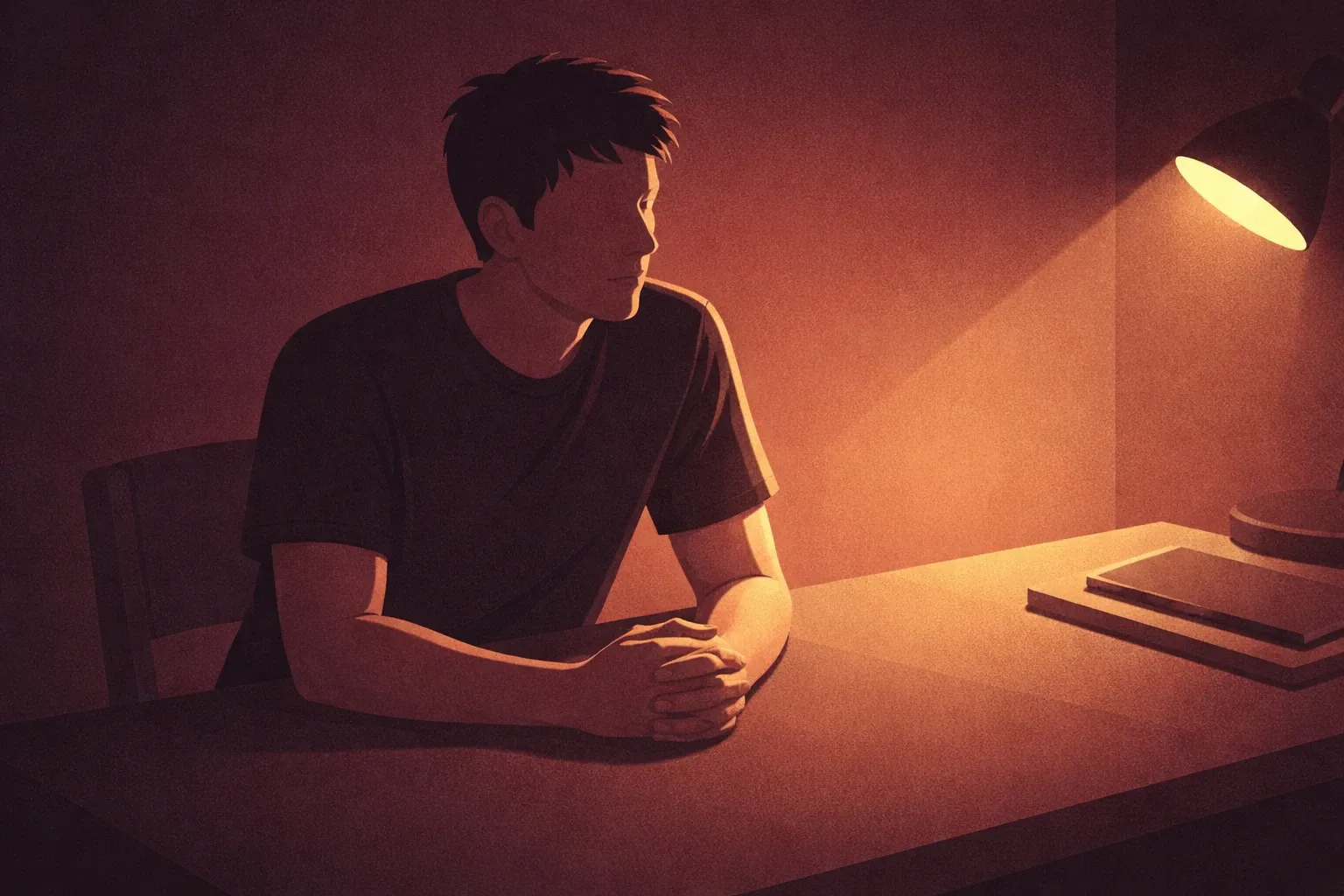
This is where people get blindsided. Around the two-week mark, a lot of guys hit what’s called the flatline — a period where urges actually decrease, but so does almost everything else.
Low motivation. Low libido. Flat mood. Some people feel almost numb.
It feels like things are getting worse, not better. But it’s actually a sign that your brain is in active recovery mode. The dopamine receptors that were overstimulated are downregulating, which takes time.
The flatline can last anywhere from a week to a month depending on how long the habit ran. The worst thing you can do here is interpret the flatline as proof that nofap isn’t working.
Day 30+: When Clarity Starts Showing Up
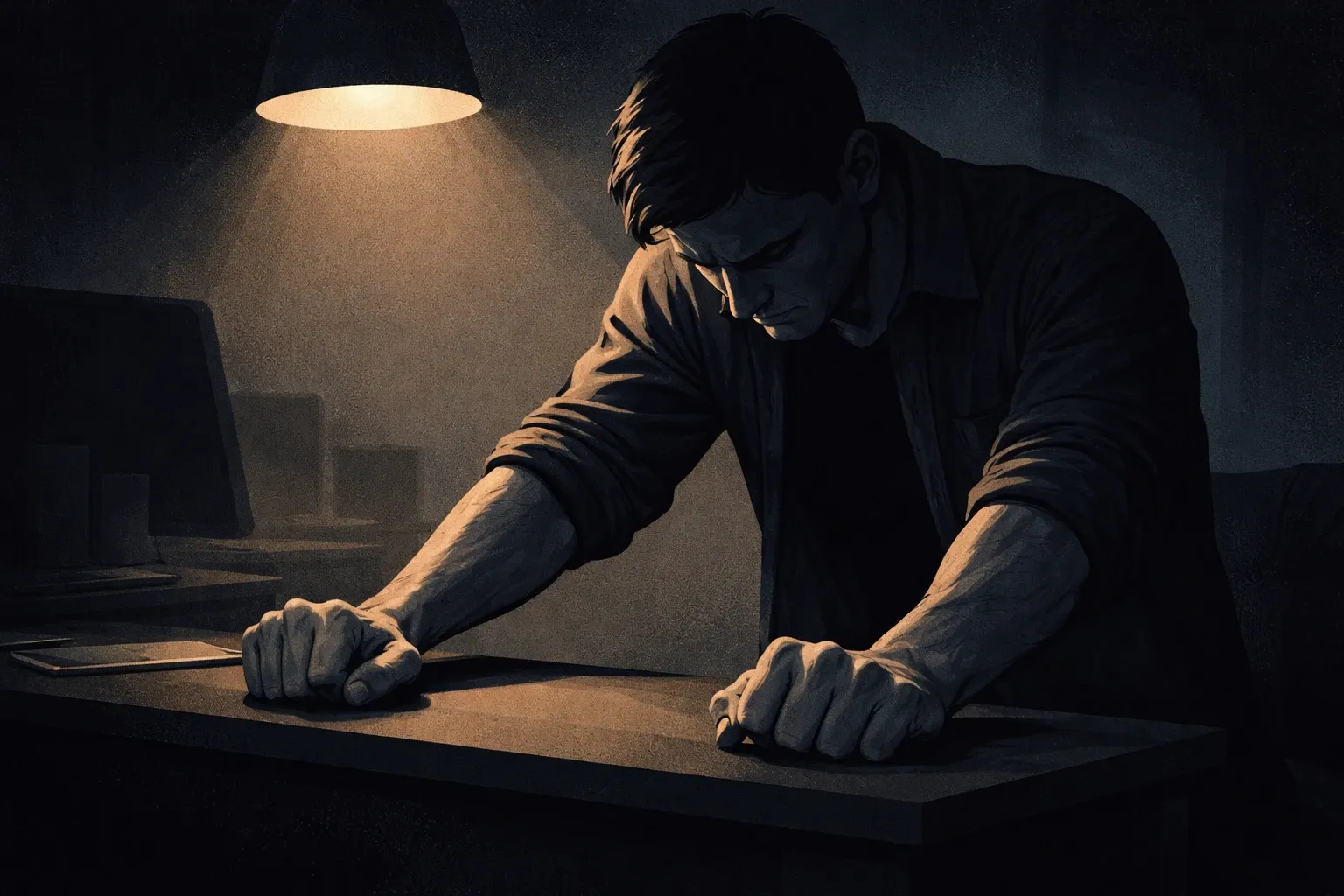
Around the 30-day mark, something shifts for most people. It’s not dramatic. But it’s real.
The urges start coming less often. When they do show up, they’re more manageable; you can feel one coming and have a half-second to choose how to respond instead of being on autopilot.
What “easier” actually looks like at 30 days:
- Less frequent urges , they don’t disappear, but the constant background noise quiets down
- Better mental clarity , less brain fog, easier to focus on work or conversation
- Shorter recovery after a slip , if you relapse, you’re getting back on track in hours, not weeks
- More emotional range , things that felt muted start feeling real again
It’s not that porn stops being tempting. It’s that you build more distance between the urge and the action.
What Actually Makes It Easier Faster
The timeline above assumes you’re relying mostly on willpower. If you add a few key things, the timeline speeds up.
Environment redesign. The urge-to-action loop is a lot shorter when access is instant. Remove the easy path. Blockers on devices you actually use, phone out of the bedroom, no private browsing without friction. This isn’t about trust; it’s about giving your brain time to breathe before the decision gets made.
Accountability. Having one real person who knows what you’re fighting changes the equation. You’re not carrying the weight alone, and the shame dynamic that keeps people stuck in secrecy loses its power. Accountability doesn’t have to be intense, just consistent.
Replacing the habit, not just removing it. The time slot where you’d usually relapse doesn’t disappear. Your brain will fill it with something. If you don’t pick what that something is, it’ll pick for you. Build a 5-minute replacement routine: walk, cold water, push-ups, text someone. Anything that breaks the automatic path.
Tracking progress visibly. Streaks aren’t just motivation; they’re data. Seeing 18 days on a counter makes it harder to throw away than if the number just lives in your head. Progress you can see has real pull.

“Easier” Doesn’t Mean Easy
There’s a version of the nofap promise that sounds like: get to 90 days and you’ll never struggle again. That’s not accurate.
What actually happens is more like: the struggle becomes proportionate. At day 5, an urge can feel like a wave that takes you out. At day 45, it feels more like a wave you can ride out. At day 90, many urges barely register.
The work doesn’t end. But the ratio shifts heavily in your favor.
“Easier” doesn’t mean effortless. It means the gap between urge and decision widens. At day 5, that gap barely exists. By day 45, you’ve got room to breathe. By day 90, most urges pass without much effort.
There’s also the question of what you’re quitting. If porn is tangled up with other stressors — isolation, anxiety, a rough job, relationship tension — getting to day 30 doesn’t fix those. It just removes the numbing mechanism, which means you’ll need to actually deal with them. Some people find that surprising. It’s actually a good sign.
When a Relapse Happens
If you slip before things get easier, it doesn’t reset the neurological work you’ve already done. The neural pathways that started changing don’t fully revert after one relapse.
What matters is how fast you get back. A relapse that turns into three days becomes a relapse that turns into three weeks if you let shame spiral into “I’ve already failed so what’s the point.”
The fastest response: review the trigger, reset immediately, and don’t give yourself until tomorrow to start. Same day.
“ ”“Around the month mark I started feeling significantly better about myself and things began falling into place effortlessly; people seemed better disposed towards me, my body language improved, I started joking around at work more and generally seeing the lighter side of life.”
— from Your Brain on Porn by Gary Wilson
Frequently asked questions
What’s the hardest week of NoFap?
Week one, for most people. Your brain is used to getting a dopamine hit on demand, and cutting that off creates real withdrawal symptoms: irritability, restlessness, insomnia, and constant urges. If you can get through the first seven days, you’ve survived the worst of the acute withdrawal.
Does NoFap get easier after 30 days?
Significantly. Around day 30, most people notice that urges come less frequently and feel less overwhelming. You start having a half-second gap between feeling an urge and deciding what to do about it, which is a huge shift from the autopilot of week one. It’s not effortless, but it’s a different game.
What if it’s been months and NoFap is still hard?
That usually points to unresolved triggers that aren’t about the porn itself. Stress, loneliness, anxiety, or depression can keep pulling you toward the behavior long after the initial withdrawal passes. If the urges aren’t fading after 60+ days, look at what’s driving them rather than just white-knuckling the streak.
Do urges ever fully stop?
They get very quiet, but they don’t disappear completely for most people. At 90+ days, many guys say urges barely register. They still happen occasionally, especially during stress, but they feel more like a passing thought than a wave. The goal isn’t zero urges. It’s having enough distance that they don’t control your decisions.
The rank system in Obex rewards consistency. Your streak isn’t just a number.