Porn Relapse: What to Do in the Next 24 Hours
Just relapsed? What to do in the next hour so it doesn't turn into a binge, who to tell, how to find what set it up, and how to start again.

Obex
Obex Team
So you relapsed. Maybe it was ten minutes ago and you’re still sitting in the same spot, or maybe it was last night and you’ve been carrying it around all morning. Either way, this page is about the next 24 hours.
First thing, a porn relapse doesn’t erase the days before it. What matters way more right now is the next few hours, because that’s usually what decides whether this stays one slip or turns into a lost weekend. So here’s what to do in the next hour, the next day, and the next few days, and what to do if relapses keep happening. Building a longer plan can wait until you’re through today, and relapse prevention strategies walks you through it when you’re ready.
In the next hour
- Close it and leave the room. Don’t negotiate about one more video. Put the phone or laptop somewhere awkward to reach, then physically move, to another room, outside, anywhere with light and other people.
- Expect the “might as well” thought. It usually shows up within minutes: the streak’s gone, so why stop now? That thought is how a lot of slips turn into binges, and it’s common enough that it has a name.
- Do something normal with your body. Shower, drink a glass of water, eat something, walk around the block. If it’s late, go to bed and leave the phone charging outside the room.
- Pray, briefly and honestly. It doesn’t need to be a speech. “I did it again. I’m sorry. Help me stop here” is enough for tonight.
- Don’t decide anything about yourself yet. The verdicts that show up in the first hour, like I’m hopeless or this will never change, are made at your lowest point. They can wait until tomorrow, when they usually look pretty different.
The “might as well” thought has a name
It’s called the abstinence violation effect, and it comes from G. Alan Marlatt’s relapse prevention model. In an overview of that model, a lapse is the first slip and a relapse is going back to the old pattern, and getting from one to the other isn’t inevitable.
How you read a slip seems to matter a lot for whether it turns into a relapse. There’s the guilt, and then there’s deciding the slip proves something permanent about you, like you’re just someone who can’t stop. People who treat a slip as a mistake tied to a specific situation, something they can learn from, are less likely to keep going.
So a lot of the time, it’s the thought I’ve already failed that keeps a binge going. The answer is a smaller, truer sentence: “I slipped tonight, and I’m stopping here.” The abstinence violation effect guide goes deeper if this is the pattern you keep hitting.
Confession without the spiral
If you’re a Christian, a relapse comes with guilt before God on top of being frustrated with yourself, and both of those make you want to hide. Scripture keeps pulling you the other way.

— 1 John 1:9If we confess our sins, he is faithful and righteous to forgive us the sins and to cleanse us from all unrighteousness.
Confession doesn’t mean waiting until you’ve felt bad for long enough. Paul separates godly sorrow, which leads to repentance, from worldly sorrow, which leads to death (2 Corinthians 7:10). In practice, godly sorrow says what happened, receives forgiveness, and changes something. Worldly sorrow keeps replaying it in private, and that’s often how the next relapse starts.
“A righteous man falls seven times, and rises up again” (Proverbs 24:16). Getting back up is part of the life of faith, and needing to do it again doesn’t mean you were never serious. If the shame feels really heavy today, these Bible verses about shame and guilt are worth reading slowly.
The next day
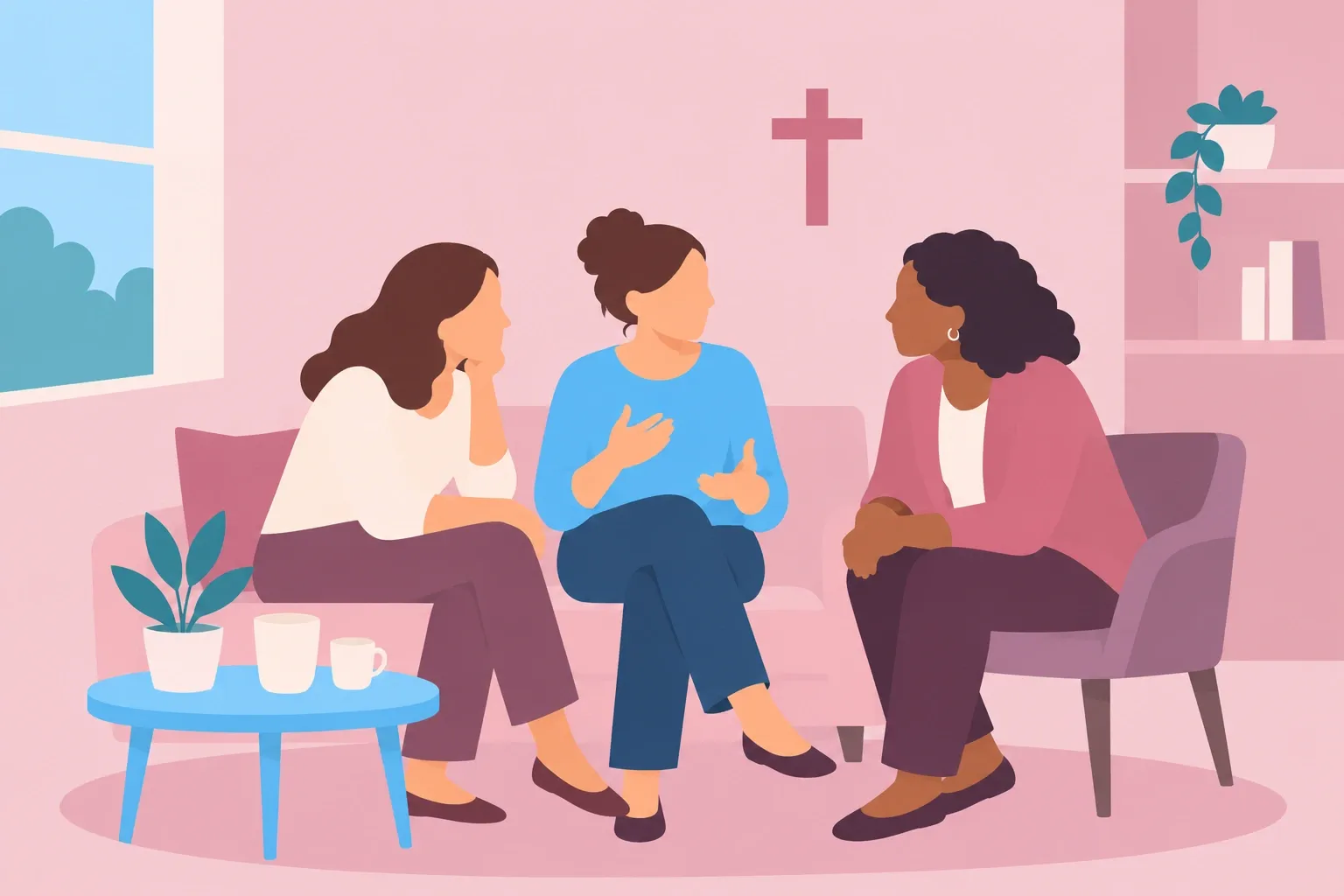
- Tell one person. Do it today if you can, even though you’d rather not. James ties confessing to one another with being healed (James 5:16). Keep it short: “I slipped last night. I’ve stopped. Can you check in on me this week?” That’s what the accountability partner in Obex is for, someone who sees your progress and can check in, but message them yourself instead of waiting to be asked.
- Write down the chain. Skip the “what’s wrong with me” part and write down what happened: the time, the place, the device, how you were feeling, what you were doing an hour before, and the first moment you could have turned. Most relapses have a setup that starts way before the browser opens. The guide to porn addiction triggers shows how to map yours.
- Change one thing today. Pick the weakest link in that chain and fix it: the phone charges in the kitchen, a blocker goes on the laptop, or the evening that went wrong gets a plan. One change you really make does more than a whole list of resolutions. There are more ideas in these relapse prevention strategies.
- Restart the counter without drama. The number goes back to zero, but the days you stayed clean still happened, and so did everything you learned in them.
The next few days
The pull might be stronger for a while. In a study of 104 rebooting journals, some men described a “chaser effect,” where the cravings got louder after an orgasm instead of calming down, and some dealt with it by staying away from any sexual activity for a while afterward.
So treat the next three days as high-risk. Spend less of your evenings alone, check in with your accountability partner once a day, and have a plan for the same time slot the relapse happened in. If it was 11pm in bed, then tonight 11pm in bed needs a different setup, like the phone charging in the kitchen. And if an urge hits hard in the meantime, the emergency urge plan gets you through the next few minutes.
If relapses keep repeating
If you’re relapsing every few days even though you’re really trying, it’s probably time for more help rather than more willpower. Talk to a pastor you trust, find a recovery group, or see a counselor who works with compulsive sexual behavior. “Porn addiction” isn’t a formal diagnosis, but ICD-11 includes compulsive sexual behaviour disorder, and there are professionals trained to treat it.
If the shame has turned into hopelessness or thoughts of harming yourself, call or text 988 in the US (988 Suicide & Crisis Lifeline) or your local emergency number now.
When you’re ready to start the counter again, Obex gives you a streak to rebuild and an accountability partner to rebuild it with.