Pornography and Marriage: A Guide to Healing and Trust

Luca
Updated · 11 min read

Pornography is out in the open in your marriage now. You found something on your spouse’s phone, or they finally said it out loud, and this guide is for what comes next: the two of you trying to rebuild trust, whether you’re the one who’s hurt or the one who used porn.
It covers the first conversation, the first 72 hours, what rebuilding trust looks like week to week, when intimacy starts to come back, and the support that keeps it going. If you’re a wife who’s just found out, or his porn use looks compulsive, when your husband watches porn covers the first conversation, how to tell a habit from an addiction, and what real recovery looks like on his side.
When it first comes out
Whatever you’re feeling right now makes sense, whether it’s sick, angry, numb, confused, or all of it at once. Porn in a marriage reaches into honesty, intimacy, feeling safe with each other, and the story you thought the two of you were living, so it’s a big deal even when nothing physical happened with anyone else.
If you’re the one who’s been hurt, you’re not overreacting. The porn is part of it, and so is the secrecy, the trust broken over and over, and the distance it put between you.
The research takes it seriously too. In a long-term survey of married Americans, people who started watching porn between one survey and the next were nearly twice as likely to be divorced by the next one (6% compared with 11%), and for women who started, it went from 6% to 16% (American Sociological Association summary of Perry and Schleifer’s study). People who stopped watching between surveys were less likely to divorce, though that link only showed up for women. A second study found that married people who watched porn at all were more than twice as likely to have separated six years later, even after accounting for how happy they were in their marriage and their sex life at the start (Perry, 2018). Studies like these can show a link but can’t prove porn caused the breakups, and plenty of marriages make it, but they’re a good reason not to brush this off.
The first few days tend to go wrong in the same way. The one who used porn rushes to say “it didn’t mean anything”, the other one hears “your pain doesn’t matter”, and then you’re fighting about whether this even counts as betrayal instead of dealing with the hurt that’s right in front of you.
You don’t have to decide the whole future of your marriage tonight. What helps right now is honesty and a bit of structure, and most of that starts with the first real conversation.
The first conversation
The first conversation after it comes out usually tries to do way too much at once. One of you wants details, the other wants relief, you’re both overwhelmed, and if you try to solve everything in one sitting you usually walk away with more damage than clarity.
Pick a time when neither of you is rushing out the door or exhausted, sit somewhere private, and put the phones away. If it starts spinning, pause and agree on when you’ll come back to it, ideally later the same day.
If you’re the one who used porn
Your job in this conversation is the plain truth, and the temptation is going to be damage control. Something like this is enough: “I’ve been watching porn, I hid it from you, and I know that broke your trust. I’ve already started doing something about it, and I’ll answer your questions.”
Then stop talking and listen. Skip the long speech about your stress, your childhood, or how hard this has been for you. Some of that might be true, and there’ll be a time to talk about it, but right now it sounds like you’re explaining it away.
A few things not to say:
- “It didn’t mean anything.” It meant something to your spouse.
- “I promise it’ll never happen again.” You can’t promise that, and they know it.
- “Give me 30 days.” Trust doesn’t come back on a deadline you picked.
- “You’re overreacting,” or anything else that turns it back on them.
If your spouse checks your phone, asks the same questions again, or watches your face for lies, that’s a pretty normal response when trust has been broken, so don’t treat it as irrational.
If you’re the one who’s hurt
You don’t have to manage their shame or make this conversation easy for them. Compassion might come later, but in the first talk the truth comes first. A few sentences that help:
- “I need honesty, all of it, even if it takes a few conversations.”
- “I’m not ready to talk about forgiveness yet.”
- “I can talk, but I need us to stay calm enough to hear each other.”
If voices start rising, pause. If one of you shuts down, take a break and agree on when you’ll come back to it. And if it turns cruel, stop, and bring in a counselor, pastor or someone else you both trust before you try again.
The first 72 hours
After the first conversation, what helps most is action. Seeing things change this week makes a marriage feel safer in a way speeches and promises can’t.
If you’re the one who used porn
- End hidden access. Delete saved files, private accounts, secret apps and hidden browsers.
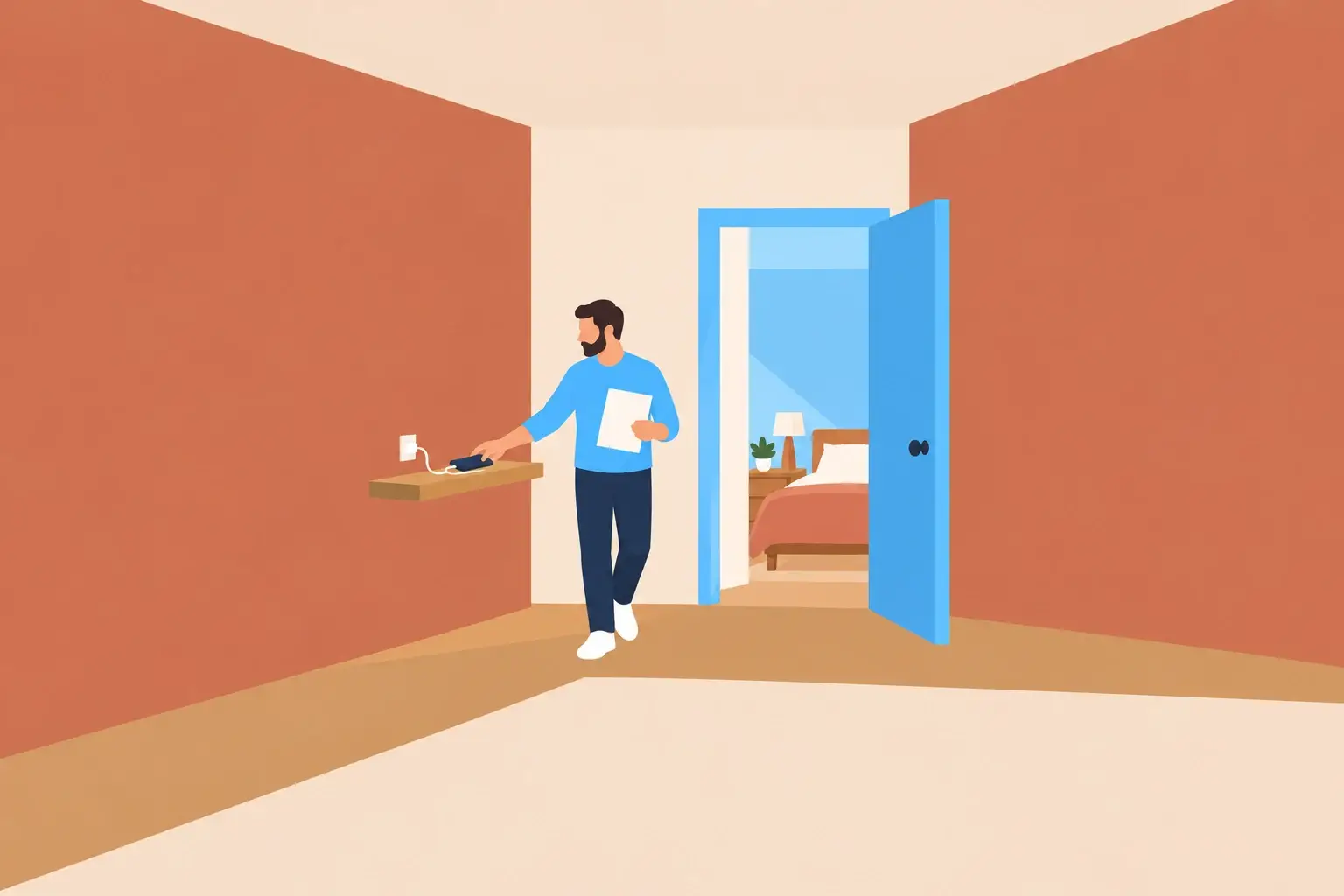
- Put blockers on every device you use, and stop treating any phone or laptop as your private space. On a Mac, Obex Desktop is a free blocker that covers browsers and apps (macOS 15 or later).
- Tell one safe person besides your spouse. A mentor, pastor, counselor or trusted friend who won’t excuse you and won’t gossip, so your spouse isn’t your only accountability.
- Write down your trigger chain. Instead of “I just slipped”, name what came before it: the time of day, being tired, angry or alone, alcohol, social media, late-night scrolling.
If you keep trying hard for a few days and then crashing, read about the abstinence violation effect. A lot of people don’t stop at one slip, because they take that one failure as proof they can’t change.
If you’re the one who’s hurt
When you’re this hurt, it’s easy to slide into checking everything all day, asking questions nonstop, and forgetting to eat or sleep. A few things help more:
- One clear boundary for now, like “I need no more lying” or “I need you to sleep in another room tonight.”
- One support person who can hold your pain without turning your marriage into a public trial.
- The basics: eat, sleep if you can, get outside, shower. When you’re in shock these matter way more than they sound like they would.
- Writing down what happened, so you have something solid to hold onto when everything feels confusing.
If you feel unsafe, or your spouse threatens you, tries to control you, or pressures you into sex, that’s beyond what a recovery plan fixes. Contact the National Domestic Violence Hotline (in the US, 1-800-799-7233, or text START to 88788) or emergency services. And if what you found includes sexual content involving anyone under 18, it gets reported (in the US, to the NCMEC CyberTipline), not handled privately inside the marriage.
A simple 72-hour checklist
- Tonight
Stop the secrecy, name what happened, and pause the fight if it turns cruel.
- Within a day
Remove the obvious ways in, and each of you contacts one trusted person.
- Within two days
Agree on boundaries for now, sleeping arrangements if needed, and when you’ll check in next.
- Within three days
Book counseling, pastoral support, or another kind of structured help.
Three days won’t settle how either of you feels, and that’s okay. The point is to steady things and make a clear break between the old pattern and whatever comes next.
Calm your body down before the next big conversation, with food, sleep or a walk, because it’s really hard to think straight while you’re still in shock.
Rebuilding trust week by week
Trust comes back slowly, as the spouse who broke it becomes believable again week after week. Crying, apologizing or promising to “do better” can’t speed that up, and progress that only happens inside one person’s head doesn’t feel like progress to the other one.
What usually rebuilds it is effort the hurt spouse can see:
- Practical transparency: shared passwords, open devices, nothing disappearing online.
- Regular check-ins: a quick one every day, even a text, plus a longer conversation once a week about urges, feelings, progress and setbacks.
- Faster truth: if there’s a slip, it gets told quickly instead of buried.
- Changed routines: less time alone on devices late at night, and fewer of the situations you both know are risky.
If the lies have touched the kids, money or extended family, more than the two of you has to heal, and one private apology won’t cover it.
If you’re the one who broke trust, being patient is part of loving your spouse right now, and you don’t get to decide how fast they heal.
What progress looks like
This kind of progress usually looks pretty boring from the outside. These tell you more than any emotional speech:
| Sign of repair | What it means |
|---|---|
| The spouse who used porn volunteers information | They’re moving away from hiding |
| The hurt spouse asks fewer detective-style questions over time | Safety is starting to come back |
| Arguments get more specific | You’re dealing with real issues instead of panicking in circles |
| Boundaries are kept without reminders | They’re taking responsibility for it themselves |
When intimacy starts to come back
Some couples expect intimacy to snap back once the porn stops, and it usually doesn’t work like that. Sexual closeness tends to come back after honesty does, sometimes a good while after, because feeling physically safe with someone takes longer to rebuild than being able to talk.
It usually comes back in layers. First you get used to the other person being emotionally predictable again, then physical closeness gets easier, and then desire slowly feels less tangled up with fear, comparison or pressure. A lot of couples spend a season on intimacy without sex, bringing back touch, conversation and feeling safe before anything sexual.
For the spouse who used porn, this is where pushing does the most damage, so let your spouse set the pace.
A stronger marriage on the other side
Porn can break a marriage, and it can also drag whatever’s been weak or avoided into the open. If you both stay with it, the marriage on the other side can be more honest than the one you had before, with less pretending and more direct conversations.
A lot of couples pin everything on “I stopped”, and stopping is huge, but the marriage also needs truth, consistency, changed habits and time. The spouse who got hurt shouldn’t have to carry all of that, which is why the support around you matters so much.
Support that keeps it going
Willpower on its own isn’t a recovery plan. Couples who treat this as a private fight inside one person’s head tend to stay stuck, and it gets way easier once there’s support that doesn’t depend on mood or good intentions.
People
A trusted person can do what software can’t. They notice excuses, ask harder questions, and remind someone who they want to be when shame takes over. Good accountability sounds like this:
- “What happened before the urge?”
- “Who knows the truth right now?”
- “What will you change before tonight?”
Give that person permission to push back when they hear denial. Someone too soft ends up protecting the habit, and someone too harsh just adds to the shame.
Counselors, pastors and groups
Sometimes there’s more going on under the porn, like old trauma, using porn to cope, sexual shame, or a long habit of lying, and a marriage can’t talk its way through that on its own. A licensed therapist who works with betrayal and compulsive sexual behavior can help with disclosure, boundaries, big emotions, and rebuilding a healthy sexual relationship. Between sessions, scheduled and time-limited conversations can keep the hard talks from spinning out.
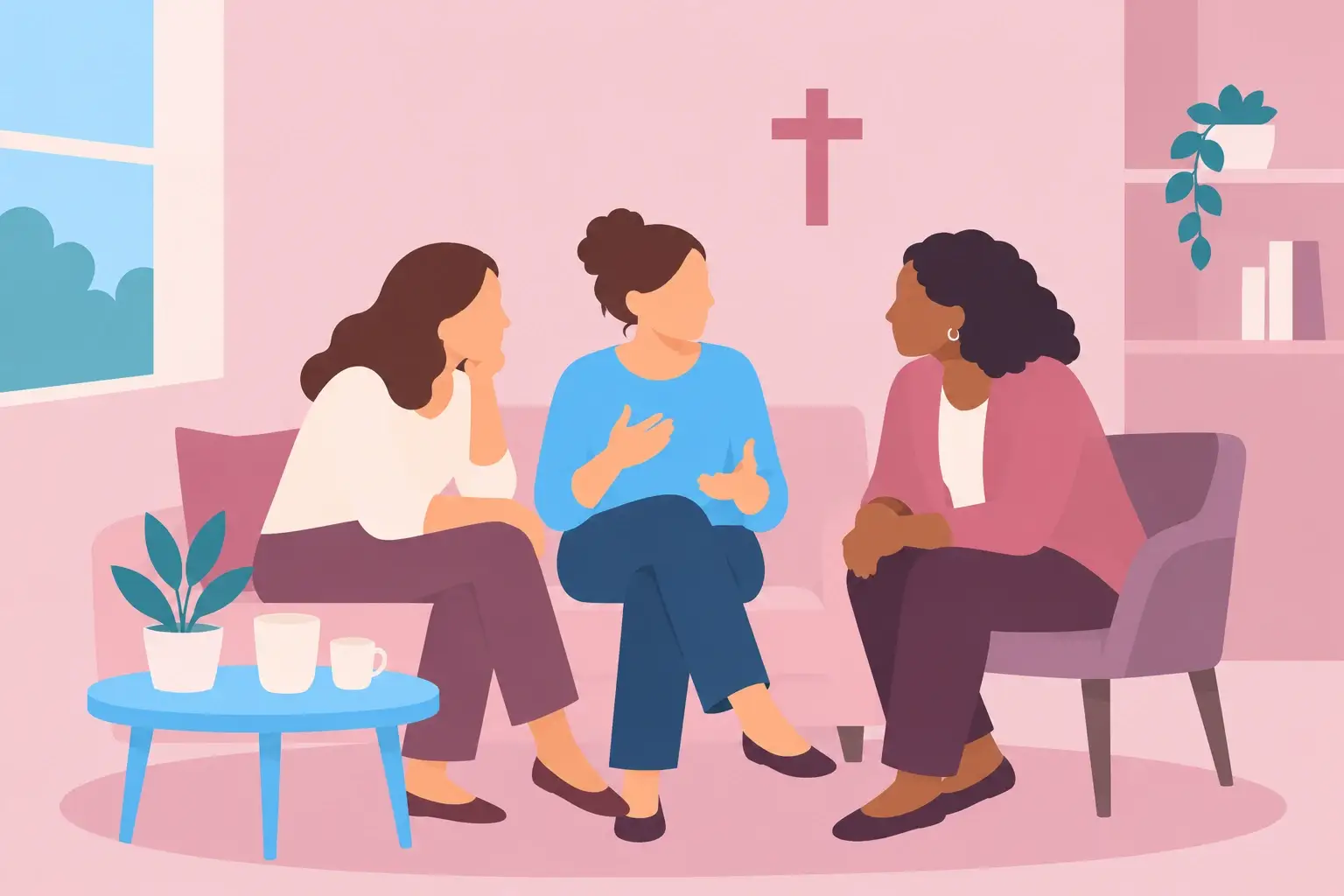
Faith-based help can matter a lot too, especially when your marriage means something spiritual to both of you. A pastor, a recovery group, a men’s group or a women’s support group can give you language, prayer and community. For some couples church is a safe place for this, and for others it has too much fear attached right now, so be honest about which one yours is. Prayer and Scripture go alongside the filters, the counseling, the sleep and the honesty, and they don’t replace any of them.
Technology
Tech can’t make anyone honest, but it can make porn harder to get to and interrupt the moment. Useful tools block content, keep a trusted person in the loop, track patterns, or give you something to do when an urge hits. They work best when the person using them wants to stop having secrets, as opposed to only wanting not to get caught.