You slipped again, and the thought that shows up right after is “I just need more self-control.” Most of the time that means one of two things: try harder next time, or get angry enough at yourself that you finally stop.
Honestly, neither of those is what the Bible means by self-control, which is good news, because neither of them lasts very long. Chances are you already know a few Bible verses about self-control, and knowing them isn’t what’s missing. What usually gets you is stress, a phone that’s always right there, nobody knowing, and a routine that runs the same way every night. If self-control just means holding out against an urge by yourself forever, you’ll either burn out, or you’ll do great for a week, feel kind of proud of it, and then have no idea what happened when you crash.
The Bible describes something steadier than that, where you learn to say no to one appetite and yes to a better one, and you keep doing it long enough that your habits change. So this goes through four passages about self-control and what each one means if you’re fighting porn and lust, then a shorter list of more verses, and how to turn them into a plan for the nights that usually go wrong.
The verses below use the public-domain World English Bible unless noted.
Self-control is something that grows (Galatians 5:22–23)

— Galatians 5:22-23But the fruit of the Spirit is love, joy, peace, patience, kindness, goodness, faith, gentleness, and self-control. Against such things there is no law.
Paul puts self-control in a list of fruit of the Spirit, so it’s something that grows in you as you walk with God, and nobody’s born with it, including the naturally organized Christians you might be comparing yourself to.
That’s good news if you feel like the least disciplined person you know. Fruit takes time, and you can see it once it’s there, but nobody grows it overnight.
It also means self-control is something different from being strict with yourself. You can be rigid, anxious and hard on yourself all the time and still have very little of what Paul is talking about. The way the Bible describes it, self-control is closer to being free, where your desires are still there but you’re the one steering them instead of getting dragged around by them.
The way people usually get this verse wrong is by going passive. They hear “fruit of the Spirit” and figure there’s nothing to do except wait for God to zap them into being disciplined. But fruit still needs the right conditions to grow. If your nights have no structure, your phone is completely private, you’re not sleeping enough and you’ve never really looked at what sets you off, your whole routine is training the opposite appetite, and you’re kind of working against the thing you’re praying for. So practical changes are often part of spiritual growth.
Grace trains you too (Titus 2:11–12)
— Titus 2:11-12For the grace of God has appeared, bringing salvation to all men, instructing us to the intent that, denying ungodliness and worldly lusts, we would live soberly, righteously, and godly in this present age.
People don’t usually think of this as a self-control verse, but look at what Paul says grace does. It forgives, yes, and he also says it’s “instructing us”, so grace is teaching you something too. It picks you up after you fail, and it’s also what trains your appetites before the next time.
A lot of guys try to build discipline out of fear instead. They relapse, feel disgusted with themselves, make a huge promise, and hope the feeling from that moment will carry them, which it pretty much never does. Shame can get you through a few intense days, and then it runs out, and it’s terrible at building a life that holds up.
Titus 2 puts things in a better order. Grace came first, it already told you who God is and that you belong to him, and the obedience grows out of that. You’re learning self-control as someone who’s already accepted, which feels completely different from trying to earn it, and it keeps discipline from turning into legalism.
It works the other way too, because Paul says grace trains us to deny worldly lusts, so grace doesn’t get to turn soft either. If your version of grace never gets anywhere near your screen habits, your sleep, your honesty or what you do when you’re tempted, it’s a lot smaller than the grace Paul is describing.
What Paul means by “I beat my body” (1 Corinthians 9:27)
— 1 Corinthians 9:27but I beat my body and bring it into submission, lest by any means, after I have preached to others, I myself should be disqualified.
This verse is easy to read wrong. Paul isn’t praising hurting yourself, and he isn’t saying your body is bad. He’s using an athlete’s language (two verses earlier he says “every man who strives in the games exercises self-control in all things”), and an athlete who trains hard usually cares a lot about his body and wants it ready for something.
Some guys in recovery hear “bring it into submission” and turn it into being harsh with themselves: punish yourself, starve yourself, never rest, distrust every desire, stay angry. From the outside that can look mature, but most of the time it’s just panic, and panic doesn’t last any longer than shame does.
What Paul means is a lot simpler: your impulses shouldn’t be the ones in charge. If your body has learned that stress means porn, boredom means porn, loneliness means porn and being restless late at night means porn, then bringing it into submission means teaching it something else, over and over, until the new response is the normal one. That takes a lot of repetitions, way more than one good night.
Build walls where you keep getting hit (Proverbs 25:28)
— Proverbs 25:28Like a city that is broken down and without walls is a man whose spirit is without restraint.
This verse gives you a pretty clear picture. The man in it has desires like everyone else, and his problem is that there’s nothing around him, so whatever wants to get in can walk right in.
It’s a helpful picture because it shows self-control is partly outside you. A city needs gates, walls and defenses, and in recovery those are things like blockers, routines, habits you keep around other people, a planned exit for when an urge hits, and being honest with someone about how it’s going.
A lot of Christian guys want to feel strong on the inside without bothering with the walls, which is pretty much the opposite of what Proverbs describes. If you know where you keep getting hit, putting a wall there is just common sense, and it says nothing bad about you.
More Bible verses about self-control
A few more worth keeping on your phone:
- Proverbs 16:32: “one who rules his spirit” is better “than he who takes a city.” Getting a grip on yourself counts for more than anything impressive you do in public.
- 2 Peter 1:5–7: Peter lists self-control as one step in a chain (“in knowledge, self-control; and in self-control, perseverance”), so it’s something you keep adding to, and it’s meant to lead somewhere.
- 2 Timothy 1:7: “God didn’t give us a spirit of fear, but of power, love, and self-control.” Self-control is something God gives you, so you don’t have to build it out of fear.
- 1 Peter 5:8: “Be sober and self-controlled. Be watchful.” Peter ties self-control to paying attention, which in practice means knowing the hours when you usually give in.
- Romans 6:12: “don’t let sin reign in your mortal body, that you should obey it in its lusts.” Temptation will still show up, but it doesn’t get to be the one giving the orders.
- 1 Corinthians 6:12: “I will not be brought under the power of anything.” A good test for any habit is whether you’re choosing it or it’s running you.
- Titus 2:6: “exhort the younger men to be sober minded.” Paul expected young guys in particular to find this hard, so you’re definitely not the first.
What self-control looks like on a normal day
The Bible’s version of discipline is way less dramatic than most people want it to be. Most of the time it’s pretty boring faithfulness:
- going to bed before the hours you know are dangerous
- keeping the phone out of the bathroom and the bedroom
- not feeding fantasy in the afternoon, because you know where it ends up at night
- telling the truth quickly when you slip
- putting up with feeling uncomfortable for a bit instead of grabbing instant relief
None of that feels impressive, but it’s how habits change, through small no’s that happen way earlier than the worst moment of the night.
That’s also where what the Bible says about lust connects to this, because guys tend to fight lust too late, and a lot of self-control is just moving the fight earlier. For the minutes when the urge is already loud, Bible verses for sexual temptation is written for exactly that.
If your plan for self-control doesn’t say anything about your screens, your sleep or who knows what you’re fighting, start there this week.
Turning these verses into a plan
If you want these verses to do more than motivate you for ten minutes, tie each one to something you’ll do. Pick one verse about who you are and how you grow, one about training, and pair them with one daily rule and one move for when an urge hits.
For example:
- Galatians 5:22–23: you’re growing fruit, so today doesn’t need to be some big performance.
- Titus 2:11–12: grace is training you, so practice one specific no today.
- 1 Corinthians 9:27: when the usual trigger shows up, do the thing you planned instead of the old thing.
- Proverbs 25:28: add one wall where you keep getting hit.
When you fail, don’t throw the whole idea out. One relapse doesn’t prove self-control is impossible for you, and it usually gets built through a lot of imperfect tries and being honest every time, which is slower and more boring than people expect.
If you just relapsed and you’re discouraged, or shame is kind of poisoning the whole thing, Bible verses about shame and guilt walks you through the first hour after a fall and what comes next. Discipline goes a lot better when you’re not condemning yourself the whole time.
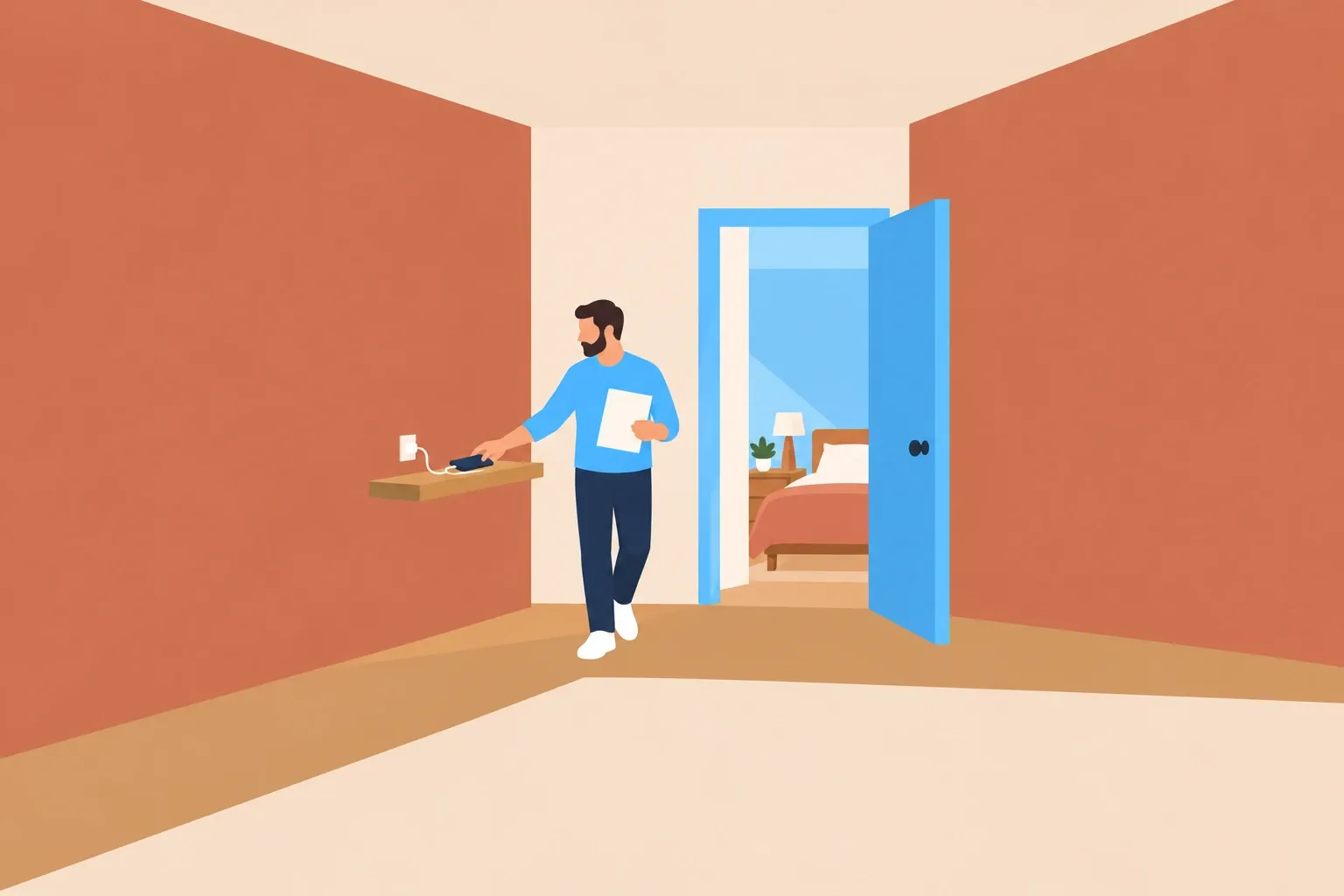
Then go back to the walls. You want the tired version of you at 11pm tomorrow to walk into a better setup than the one you’ve got tonight, and that could mean:
- blockers on every device
- moving your charger out of the bedroom
- a rule that if you’re tired and alone, you’re not also online
- a quick check-in text every night to the person who knows what you’re fighting, and a longer talk once a week
Obex is an iPhone app that helps you build that setup and keep it: blockers for the apps and sites you choose, a streak and ranks you can see, and an accountability partner who can check in with you. Get Obex on the App Store.